ABLE and TABC Compliance: Surveillance and Loss Prevention for Oklahoma and Texas Liquor Stores, Bars, and Restaurants
Every retail liquor store, bar, restaurant, and on-premise alcohol establishment operates under state regulatory oversight. In Oklahoma, that oversight runs through the
Alcoholic Beverage Laws Enforcement Commission under Title 37A of the Oklahoma Statutes and Title 45 of the Oklahoma Administrative Code.
ABLE agents are certified peace officers with full statutory authority to inspect, investigate, and cite — and the agency conducts regular inspections, compliance checks, and undercover sting operations targeting illegal sales, counterfeit IDs, and after-hours violations.
In Texas, the same regulatory function falls to the
Texas Alcoholic Beverage Commission under the Texas Alcoholic Beverage Code and Title 16, Part 3 of the Texas Administrative Code. TABC permits — Mixed Beverage (MB), Wine and Malt Beverage Retailer’s (BG), Retail Dealer’s On-Premise (BE), Package Store (P), and the rest — each carry their own operational, age verification, hours-of-sale, and recordkeeping requirements.
TABC requires every primary licensee to file an annual compliance self-inspection report through the AIMS portal, and missed or false reports can trigger a TABC visit, an administrative warning, or suspension.
The regulatory layer is only the floor. Above it sit two more stacks that cost operators just as much.
The first is the insurance carrier. Most commercial property and liquor liability policies now require minimum surveillance retention windows, documented camera coverage of cash handling areas, and access controls on storage and back-of-house.
Operators who can’t produce footage when a claim is filed face denied claims, reduced settlements, and non-renewals. The second is loss prevention — employee diversion at the bar, inventory shrink at the back door, after-hours break-ins, and the slow bleed of unauthorized comps and pours that erode margin every shift.
Most operators are running cheap consumer-grade DVR systems with thirty-day retention, no integration with their alarm system, and no documented audit trail of who was in the cooler at 2 AM.
That’s a single stack defense against a triple-stack threat. ABLE or TABC asks for footage, the insurance carrier asks for footage, and the operator’s own loss prevention review needs the same footage — and the cheap DVR has overwritten the only relevant clip.
Red River Integration deploys the
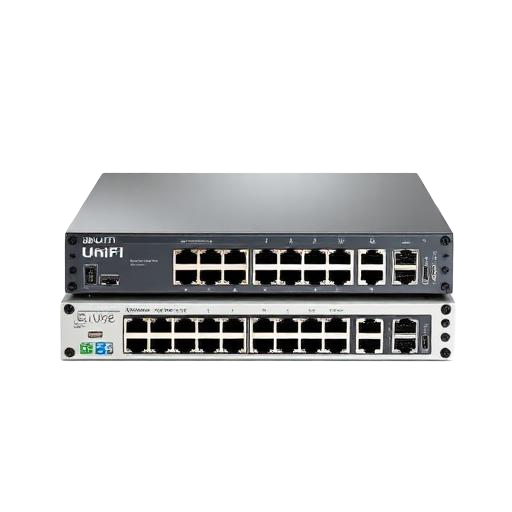
Ubiquiti UniFi ecosystem — enterprise infrastructure used in critical commercial facilities worldwide — engineered specifically for the licensed alcohol operation. The point-of-sale. The back bar. The walk-in cooler. The storage room. The exterior. Every system we install is designed around the operational reality of a liquor or hospitality business, documented for inspection, and built to satisfy the ABLE or TABC inspector, the insurance carrier, and the operator’s own loss-prevention audit from a single platform.

What ABLE and TABC Expect. What We Build.
Continuous Surveillance of Sales, Service, and Storage Areas
Both
ABLE and
TABC inspections expect operators to produce surveillance evidence on demand — sales transactions, age verification at the door, after-hours activity, alleged over-service incidents, employee theft investigations.
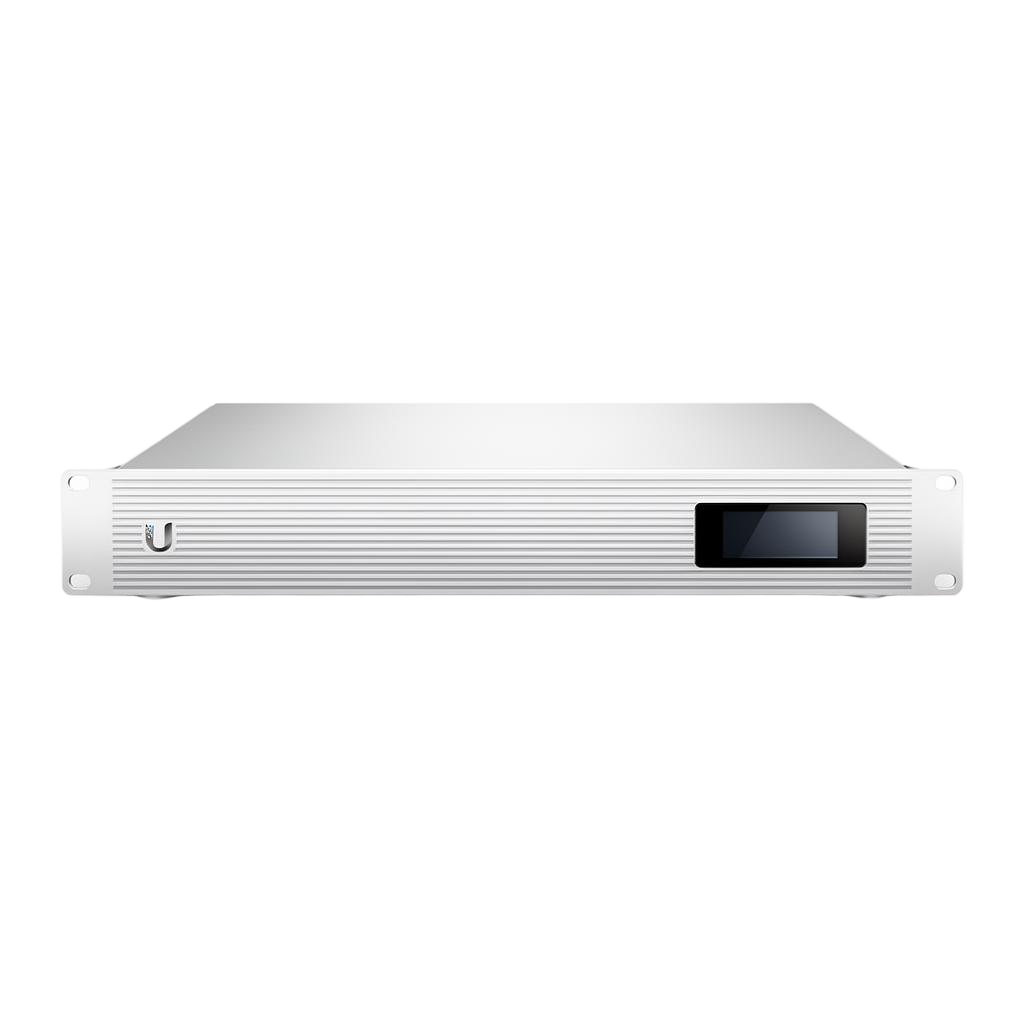
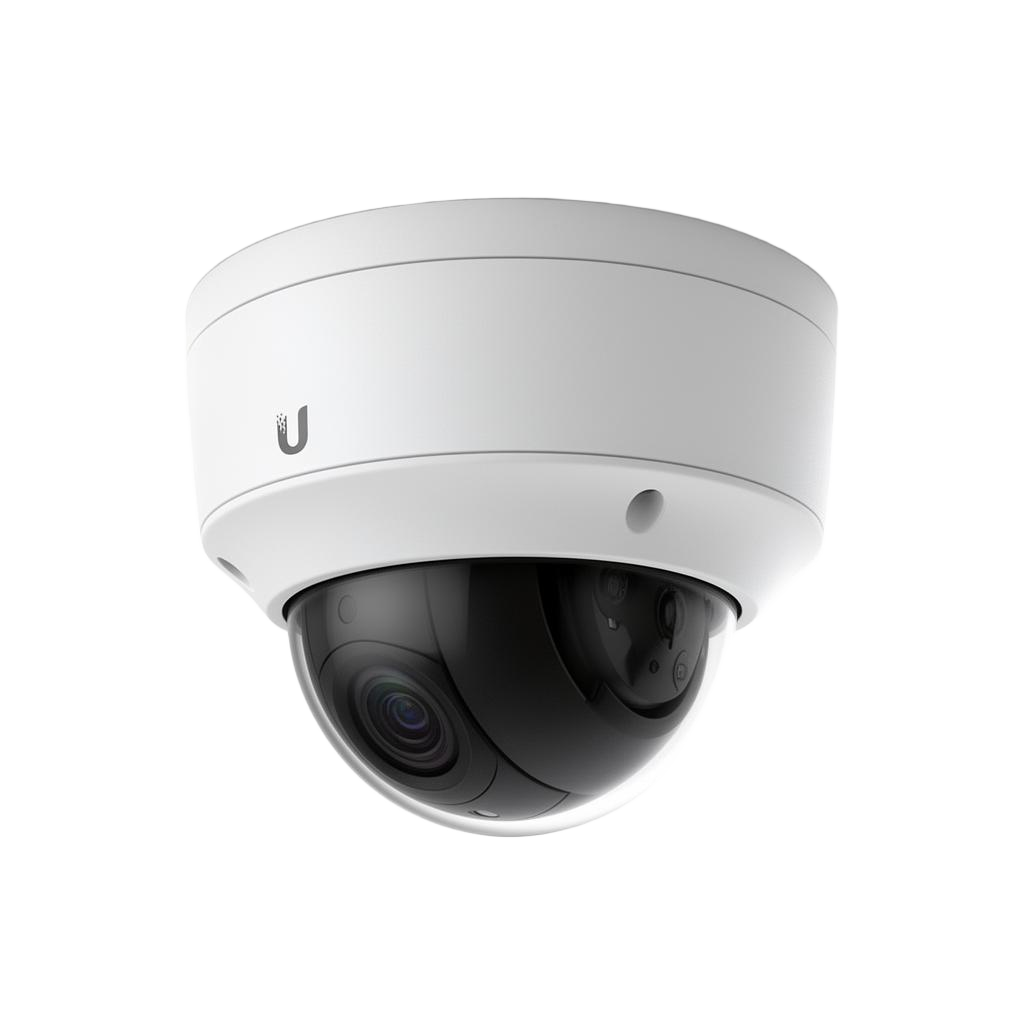
UniFi Protect delivers commercial-grade camera coverage across every operationally relevant zone — registers and back-bar, front entry and ID-check stations, walk-in coolers and stockrooms, loading docks, parking lots, and outdoor patio service areas. AI-based detection identifies people and vehicles. License plate recognition logs every vehicle in your delivery and customer lot. Recording is continuous to local NVR hardware
regardless of internet status — the cameras keep recording whether the internet is up or down.
All footage records to storage hardware you own, inside your facility. No cloud subscription. No third-party servers. No vendor that can lock you out of your own evidence the day a TABC inspector or your insurance carrier asks for it.
Retention That Satisfies Regulators, Carriers, and Investigators
Insurance carriers commonly require 30 to 90 days of retained surveillance. Plaintiff attorneys in over-service and dram-shop cases routinely subpoena footage from 30, 60, or 90 days back. ABLE and TABC investigations frequently reference incidents that occurred weeks before the formal complaint.
A surveillance system with seven days of retention is a system that loses every meaningful incident.
UniFi Protect is configured with retention windows sized for the operation’s exposure —
60 to 120 days standard, longer when carrier requirements or operational risk profile warrant it. Footage is organized and searchable by date, time, camera, and event. When the request comes in, you produce the recording from your own storage in minutes, not days.
Back-of-House Access Control and Employee Diversion
Employee diversion is the single largest loss vector in most retail alcohol operations. Walk-in coolers, stockrooms, liquor cages, and cash offices are where the inventory walks out — and the surveillance system that catches it is only useful if it ties to a verified credential at the door.
UniFi Access logs every entry to back-of-house and restricted areas with timestamp, credential, and camera-linked video record. Time-based permissions automatically restrict cooler and stockroom access outside authorized hours. When an employee is terminated, the credential is revoked from the management console in seconds —
no rekeying, no lock changes, no exposure window. After-hours entries trigger alerts with footage attached.
When a shrink investigation, a workers’ comp claim, or an employee misconduct allegation lands on your desk, you have a
timestamped, video-confirmed record of exactly who was in the back at the time in question.
After-Hours Break-In Defense and Alarm Integration
Liquor stores, bars, and package stores are among the most frequently targeted retail break-in categories. UniFi Protect integrates intrusion detection, glass break sensing, and motion-triggered alerting into the same platform that runs your cameras and access control. After-hours triggers transmit alerts
with embedded video to your central station monitoring service or directly to ownership.
Police arrive with footage already captured. Insurance claims are filed with documented evidence in hand, not reconstructed after the fact.
ID Verification, Age Compliance, and Sting Operation Defense
ABLE and TABC undercover compliance checks — the underage decoy, the second-party purchase attempt, the after-hours sale — are
routine and unannounced. Every ID check at the front door, every cashier interaction at point-of-sale, every refusal of service is captured by appropriately positioned cameras with timestamp and clear identification. When a citation is issued, you have the footage. When a violation is alleged but did not occur,
you have the footage. When training a new employee on a refusal of service, you have the footage.
Network Infrastructure That Keeps Compliance Systems Running
Surveillance and access control depend on a properly engineered network — both for day-to-day operations and for the remote access, alerting, and management capabilities that owners and operators rely on.
Ubiquiti UniFi enterprise networking provides the foundation — managed switches, enterprise routers, and professionally deployed wireless coverage across every area of your facility. Network segmentation isolates surveillance and access control from your point-of-sale, your guest Wi-Fi, your back-office systems, and any music or digital signage networks.
Segmentation matters specifically for hospitality and retail alcohol. A compromised guest device on your free Wi-Fi
cannot reach your camera storage or your point-of-sale. Your point-of-sale traffic is isolated from any system that does not need to see it — which simplifies
PCI DSS posture for every operator running card payments at the register.
Cellular Failover for Uninterrupted Access and Alerts
UniFi Protect records continuously to local NVR hardware on your network
regardless of internet status — that footage is captured and retained on infrastructure inside your business, not dependent on a cloud connection. What an internet outage
does compromise is everything that depends on a working connection: remote access for ownership and management, real-time alert delivery to ownership and central station monitoring, point-of-sale credit card authorization, and the management plane for surveillance and access control.
UniFi 5G Max provides automatic dual-SIM cellular failover — the moment your primary connection drops, the system fails over without manual intervention and your remote access, alerting, point-of-sale, and management capabilities
stay online without interruption. For operators in rural locations across Southwest Oklahoma and North Texas where wired service can be inconsistent, 5G Max can also serve as the primary connection, delivering enterprise-grade throughput where wired infrastructure cannot.
Why Local, Private Infrastructure Matters for Alcohol Operators
Cloud-based surveillance vendors create a specific problem for alcohol retailers: your operational data — every customer interaction, every employee shift, every cash handling event, every after-hours incident — is stored on servers owned and operated by a third party, accessible to parties beyond your operation under terms you accepted without negotiation. When a vendor is breached, your footage is exposed. When a vendor changes pricing or sunsets a product line, your access to your own footage is at their discretion. When a subpoena lands on the vendor instead of you,
you may never know it was served.
Every system Red River Integration deploys records and stores locally.
Your footage stays on hardware you own, in your facility, accessible only by personnel you authorize. Your access logs stay on systems you control. No third party holds your operational records. When ABLE, TABC, an insurance adjuster, or law enforcement requests footage with a proper legal basis, you produce it from your own storage on your own systems — and only in response to that legal basis.
Built for Your License Type
- Retail Liquor Stores and Package Stores — Oklahoma retail spirits licensees under 37A O.S. §2-156 and Texas Package Store (P) permit holders share a similar operational profile: high-value inventory, after-hours break-in exposure, age-restricted clientele, and an unforgiving compliance posture. We design surveillance and access control systems engineered for the floor plan, the stockroom, and the carrier requirements of independent package stores in both states.
- Bars, Taverns, and Mixed Beverage Establishments — Oklahoma mixed beverage licensees and Texas Mixed Beverage (MB) permit holders carry the highest operational scrutiny in the alcohol industry — over-service exposure, dram-shop liability, after-hours sale risk, and the constant threat of an undercover compliance check. We design systems that document every service interaction without compromising the customer experience.
- Restaurants with On-Premise Service — Restaurants holding ABLE mixed beverage licenses, Texas BG permits, or Texas BE licenses combine standard hospitality surveillance needs with regulatory documentation requirements. We design infrastructure that satisfies both without creating an operational burden for front-of-house staff.
- Distilleries, Breweries, and Wineries — Manufacturing operations with retail and tasting room components face a doubled compliance posture — ABLE or TABC retail oversight on the consumer-facing side, plus federal TTB recordkeeping under 27 CFR on the production side. We design integrated surveillance and access control across both operational environments.
- Event Venues and Private Clubs — Private club permit holders in Oklahoma and Texas Private Club Registration Permit (N) holders carry membership-verification, hours-of-sale, and access control requirements that consumer-grade systems do not address. We engineer for that specific operational profile.
Every Installation Is Engineered for That Operation. Not Adapted From a Template.
We don’t sell a standard alcohol retail package. We assess your license type, your facility layout, your insurance carrier’s requirements, your operational risk profile, and the gaps in your current infrastructure — and we engineer a system that satisfies regulators, satisfies carriers, and produces the loss prevention evidence trail that
protects margin shift after shift.
Built on the
Ubiquiti UniFi ecosystem — enterprise infrastructure deployed in critical commercial facilities worldwide — installed and configured by a team that understands the difference between a camera system and a documented compliance posture.
Serving Southwest Oklahoma and North Texas
Red River Integration serves ABLE and TABC licensees across Southwest Oklahoma — including Lawton, Duncan, Altus, Chickasha, Anadarko, Ardmore, and the surrounding counties — and across North Texas, including Wichita Falls and the surrounding communities.
Ready to Talk About Your Operation?
Your license, your inventory, and your insurance posture are too valuable to trust to consumer-grade equipment and a cloud you don’t control.
Call us at
(580) 289-8181 or fill out the form on our
contact page. Consultations are confidential and there’s no obligation.