
Confidentiality, Trust Account, and Access Control Infrastructure for Oklahoma and Texas Law Firms
Every practicing attorney operates under an affirmative duty of confidentiality that extends beyond client privilege into the technical and physical safeguards a firm puts around client information.
ABA Model Rule 1.6(c), adopted in some form by every state bar including the
Oklahoma Bar Association and the
State Bar of Texas, requires lawyers to make
reasonable efforts to prevent the inadvertent or unauthorized disclosure of information relating to the representation of a client.
ABA Formal Opinion 477R and the more recent
Opinion 498 make clear that this duty is not satisfied by good intentions — it requires
documented, defensible technical and physical safeguards.
Layered on top:
ABA Model Rule 1.15 and the
Oklahoma Rules of Professional Conduct and
Texas Disciplinary Rules of Professional Conduct require attorneys to safeguard client funds with a degree of physical and procedural control that satisfies random audit and bar association investigation. IOLTA accounts, retainer funds, settlement proceeds, and real estate closing trust funds all sit under that mandate. The stakes are direct.
A trust account compromise is not a customer service problem — it is a bar complaint that ends careers.
And every firm that handles personal financial information for a real estate transaction, a tax matter, an estate plan, or a personal injury settlement also falls under the
FTC Safeguards Rule at 16 CFR Part 314, which expanded in 2023 to cover any non-banking entity holding customer financial information.
Many firms have not updated their infrastructure to meet the expanded scope.
Most law firms we walk through — whether in Lawton, Wichita Falls, or anywhere else in our service area — are running consumer-grade DVR systems they bought a decade ago. Cloud cameras with no documented retention. Door locks with no audit trail. A flat office network where the breakroom Wi-Fi sits on the same broadcast domain as the matter files. The cameras are there.
The Rule 1.6 posture is not.
Red River Integration deploys the
Ubiquiti UniFi ecosystem — enterprise infrastructure used in critical commercial and industrial facilities worldwide — engineered specifically for the regulated legal practice. The file room. The trust account workstation. The conference rooms. The partner-only matter folders. Every restricted zone. Every system we install is designed around Rule 1.6 and Rule 1.15, documented for bar review, and built to hold up under the scrutiny of a trust account audit, a malpractice deposition, an opposing counsel discovery request, or a forensic review after a wire fraud incident on a real estate closing or settlement disbursement.
Reasonable Efforts to Prevent Unauthorized Access — ABA Model Rule 1.6(c)
The
reasonable efforts standard is not a minimum-effort test. ABA Formal Opinion 477R lays out the factors that determine reasonableness, including
the sensitivity of the information, the likelihood of disclosure absent safeguards, the cost of additional safeguards, and the difficulty of implementing them. For a firm holding privileged client communications, settlement strategy memoranda, and trust account information, the standard is high — and
the documentation of safeguards matters as much as the safeguards themselves.
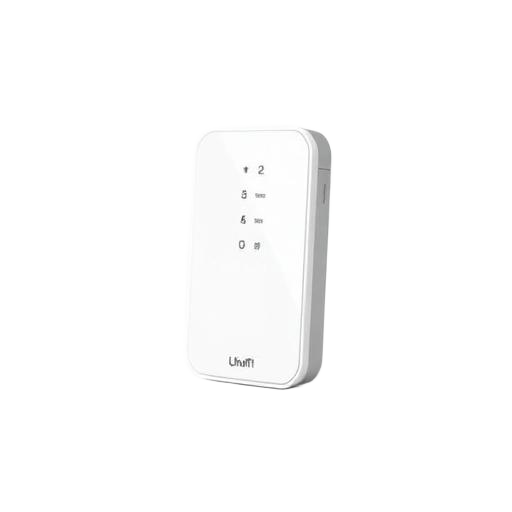
UniFi Access produces the documentation: every entry to the file room, every entry to the trust account workstation area, every entry to a partner office or server closet, logged with timestamp, credential, and camera-linked video record.
Trust Account Safeguards — ABA Model Rule 1.15 and State Bar Trust Rules
Both Oklahoma and Texas state bars require attorneys holding client funds to maintain those funds in identified trust accounts, segregated from operating funds, with documented controls over access and disbursement. The
Oklahoma Rule 1.15 and the Texas Disciplinary Rule 1.14 both impose audit-ready recordkeeping requirements.
Random trust account audits are a real feature of bar oversight in both states. Documentation of physical access to records, monitored surveillance of areas where trust account documents are processed, and audit trails on file room and server room entry are not optional sophistication — they are the difference between a clean audit and a referral to a disciplinary committee.
Continuous Surveillance of File Rooms, Conference Rooms, and Customer Interaction Zones
Rule 1.6 expectations and the FTC Safeguards Rule both call for continuous video coverage of every area where client information is stored, processed, or discussed — file rooms, closing rooms, conference rooms, reception, and parking lots.
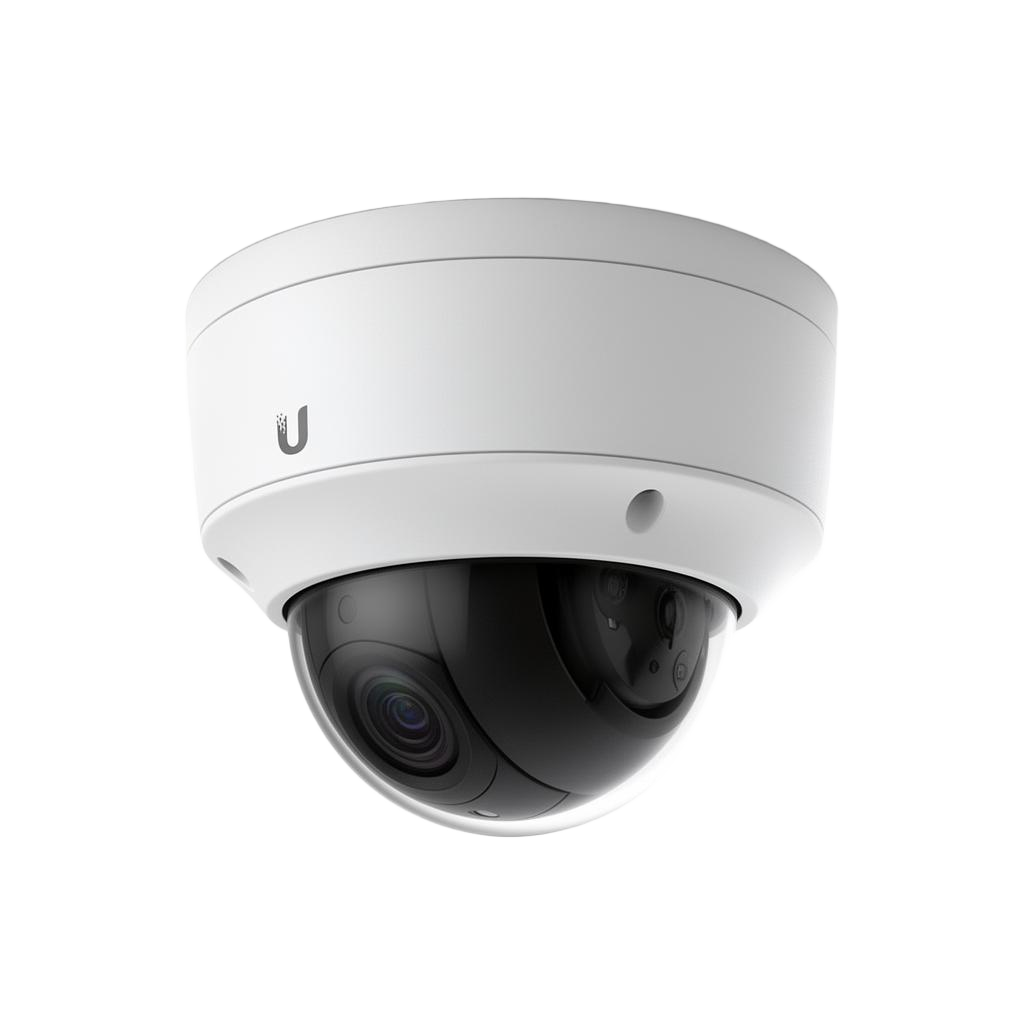
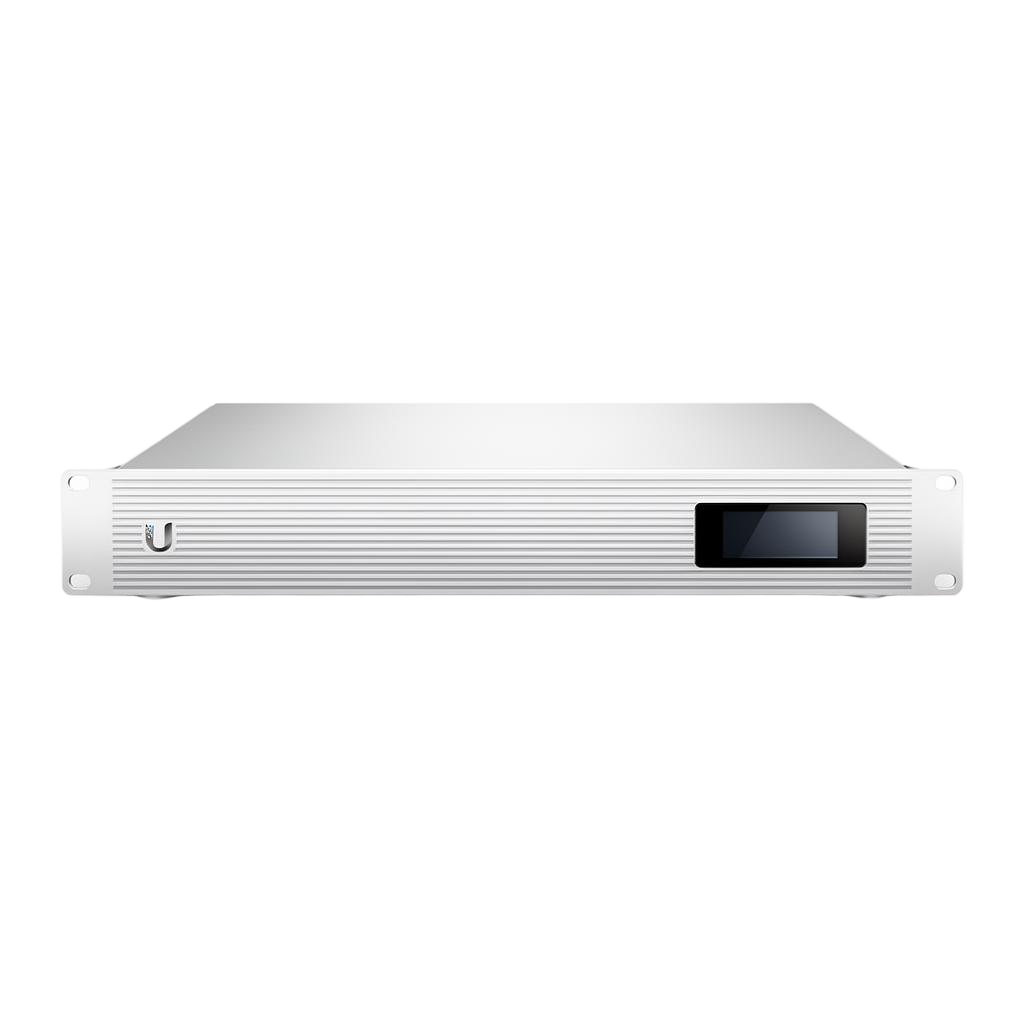
UniFi Protect delivers commercial-grade camera coverage across every required zone, with artificial intelligence detection that identifies people and vehicles, license plate recognition for after-hours customer logging, and continuous recording to local NVR hardware
regardless of internet status — the cameras keep recording whether the internet is up or down.
All footage records to storage hardware
you own, inside your firm. No cloud subscription. No third-party servers. No vendor that can lock you out of your own evidence the day a client, a malpractice carrier, or opposing counsel asks for it.
Retention That Survives the Discovery and Audit Timeline
Bar audits, malpractice claims, and discovery requests in active litigation frequently reference incidents that occurred weeks or months before the inquiry — a closing where funds were misdirected sixty days ago, a client meeting whose privilege is now in dispute, a trust account question that comes back from a state bar randomly. UniFi Protect retains footage on local Network Video Recorder hardware sized for your firm —
typically 90 to 180 days, longer when matter sensitivity requires it.
Footage is organized and searchable by date, time, camera, and event. When a bar examiner, a malpractice insurer, or opposing counsel requests recordings of a specific period or event, you produce them from your own storage in minutes —
not days, not weeks, not “we’ll have to call the cloud company.”
Network Segmentation That Isolates Matter Data From General Office Traffic
Rule 1.6’s reasonable efforts standard, in 2026, includes network architecture. The network holding privileged matter data must not be the same flat network the breakroom Wi-Fi runs on.
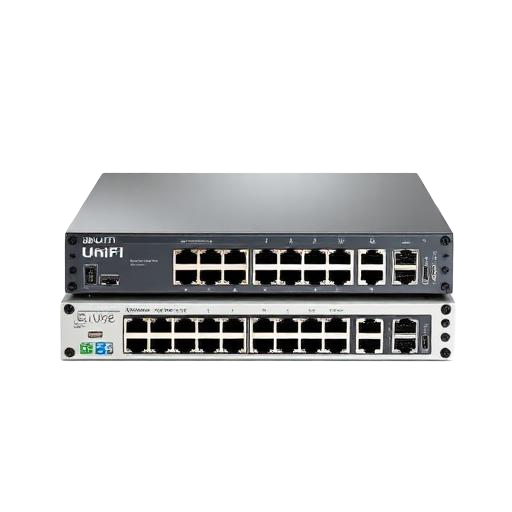
Ubiquiti UniFi enterprise networking provides the backbone your compliance infrastructure runs on — managed switches, enterprise routers, and professionally deployed wireless coverage across every area of your firm, with network segmentation that isolates matter-data systems from your guest network and any general office traffic. Practice-area segmentation — separating litigation, transactional, and trust-and-estate data — is straightforward to design at the network layer.
Segmentation matters specifically for law firms. A compromised guest device or a paralegal workstation
cannot reach your document management system, your trust account workstation, your matter file server, or any system holding privileged communications.
Cellular Failover for Uninterrupted Access and Alerts
UniFi Protect records continuously to local NVR hardware on your network
regardless of internet status — that footage is captured and retained on infrastructure inside your firm, not dependent on a cloud connection. What an internet outage
does compromise is everything that depends on a working connection: cloud-hosted document management, e-filing with state and federal courts, e-signature and document delivery to clients, wire transfer initiation and confirmation on real estate closings, real-time alert delivery to firm administration, and the management plane for surveillance and access control.
UniFi 5G Max provides automatic dual-SIM cellular failover — the moment your primary connection drops, the system fails over without manual intervention and your court e-filing, document management, e-signature workflows, wire confirmation, and management capabilities
stay online without interruption. For firms in tertiary markets across Southwest Oklahoma and North Texas where wired service can be inconsistent, 5G Max can also serve as the primary connection —
the difference between meeting today’s e-filing deadline and a missed deadline that becomes a malpractice issue.
Why Local, Private Infrastructure Matters for Law Firms
Cloud-based surveillance and access control vendors present a specific problem for firms operating under Rule 1.6: your operational data — every client interaction, every closing, every after-hours access event in restricted areas, every minute of footage of your firm’s operations — is stored on servers owned and operated by a third party, accessible to parties beyond the firm under terms the firm accepted without negotiation.
That posture is not consistent with the duty of confidentiality.
Every system Red River Integration deploys records and stores locally.
Your footage stays on hardware you own, in your firm, accessible only by personnel you authorize. Your access logs stay on systems you control. No third party holds your client footage, your closing records, or your access logs. When a court or law enforcement requests footage with a proper legal basis, you produce it from your own storage on your own systems — and only in response to that legal basis.
Built for Your Practice Type
- Solo and Small-Firm Practitioners — Solo and two-to-five-attorney firms carry the same confidentiality and trust account obligations as a 200-attorney firm — without the dedicated IT staff or compliance department to support them. We design infrastructure right-sized for the firm: documented access control to the file room and trust account workstation, monitored surveillance of reception and conference areas, and a documented audit trail that satisfies a bar trust account audit without burdening a small administrative staff.
- Mid-Size Firms with Multiple Practice Areas — Firms with litigation, transactional, and trust-and-estate practices operating under one roof carry overlapping regulatory obligations — Rule 1.6, FTC Safeguards Rule on the transactional side, HIPAA Business Associate obligations on the litigation side, and varying confidentiality regimes by matter type. We design infrastructure that segments client data by practice group, controls physical access to records by matter sensitivity, and produces the differentiated audit trail that supports each practice area’s specific regulatory exposure.
- Real Estate and Closing Practices — Firms handling real estate closings sit at the highest wire fraud risk in the legal industry. We build infrastructure with surveillance of the closing room and wire desk, documented access control to closing documents, network segmentation that isolates the closing function from general firm operations, and an audit trail that supports both ALTA Best Practices (where the firm acts as a title agent) and bar trust account requirements.
- Firms Handling Government, Defense, or Regulated-Industry Matters — Firms representing defense contractors, healthcare providers, financial institutions, or government clients receive information subject to CMMC, HIPAA, GLBA, ITAR, DFARS, or classified-information protocols. We design infrastructure with the physical access control, network segmentation, audit logging, and customer-owned recording posture that supports the firm’s downstream obligations under each client’s regulatory regime — and that survives the diligence questionnaires sophisticated clients now routinely send to outside counsel.
Every Installation Is Engineered for That Firm. Not Adapted From a Template.
We don’t sell a standard law firm package. We assess your firm’s specific practice areas, your office layout, your existing infrastructure, the trust account workflow, and the matter-sensitivity gradient across your practice groups — and we engineer a system that meets every requirement, documents every event, and produces the evidence trail a bar examiner, a malpractice insurer, opposing counsel, or a federal regulator will demand.
Built on the
Ubiquiti UniFi ecosystem — enterprise infrastructure deployed in critical commercial facilities worldwide — installed and configured by a team that understands what a “reasonable efforts” finding actually means and how to build infrastructure that does not produce one.
Serving Southwest Oklahoma and North Texas
Red River Integration serves law firms across Southwest Oklahoma — including Lawton, Duncan, Altus, Chickasha, Anadarko, and the surrounding counties — and across North Texas, including Wichita Falls and the surrounding communities.
Ready to Talk About Your Firm?
Your clients trust you with their most consequential matters — their businesses, their families, their finances, their freedom. Your infrastructure should be worthy of that trust, and should produce the documentation that proves you took the duty of confidentiality and trust account integrity as seriously as the rules require.
Call us at
(580) 289-8181 or fill out the form on our
contact page. Consultations are confidential and there’s no obligation.