
Call or Text
Cannabis (OMMA / OBNDD)

Security, Surveillance and Access Control for Oklahoma Cannabis Licensees

Lawton, Oklahoma City, Duncan, Altus and statewide. Built on the rules that actually bind you, not the ones the industry repeats, on equipment you own.

Call or text (580) 289-8181

Most security bids in this state open by telling you that OMMA mandates 24/7 surveillance and 90 days of video retention. It does not. There is no such rule, and there never was one.

We looked. The current Oklahoma Medical Marijuana Authority rules live at OAC Title 442, Chapter 10, and across the entire rulebook the words video, camera, CCTV and closed-circuit appear zero times in any security context. Neither does the phrase 90 days. The rule those bids cite, OAC 310:681, was revoked: OMMA left the State Department of Health and became a standalone agency on November 1, 2022, and Title 310 went with the health department. A vendor still quoting 310:681 in 2026 is quoting a rule that no longer exists, from an agency that no longer writes it.

We are not telling you this to be clever. We are telling you because a vendor who invents a requirement will invent the solution to it, and you will pay for both. The real obligations are narrower, more specific, and in one respect considerably harsher than the myth.

What actually binds you: OMMA’s open-ended security standard at OAC 442:10-6-1, the Oklahoma Bureau of Narcotics and Dangerous Drugs physical security rules at OAC 475:20-1-4 (alarms, doors, and fencing, which are real, technical, and enforceable), a 24-hour theft reporting clock, and a seven-year records retention rule that outlasts any video requirement any state has ever written. Red River Integration builds to those. Where no rule sets a standard, we tell you it is an engineering decision and help you make it on the merits.

The Requirement

What Actually Binds You. And What We Build.

Each item below cites the rule it comes from. Where there is no rule, we say so instead of inventing one.

OAC 442:10-6-1(a)

OMMA's Security Rule Is a Standard, Not a Shopping List

OMMA’s entire security requirement for commercial licensees reads: “Commercial licensees shall implement appropriate security measures to deter and prevent the unauthorized entrance into areas containing marijuana and the theft and diversion of medical marijuana and medical marijuana products.”

That is the whole rule. It names no technology, no camera count, no retention period, and no zone list. It is a performance standard: you choose the measures, and you answer for whether they were appropriate if something goes wrong.

This is good news and bad news. The good news is that nobody can fail you for lacking a camera the rule never asked for. The bad news is that “appropriate” gets judged after an incident, with hindsight, by someone who is not you. That ambiguity is exactly what a competent integrator is for: we document the reasoning behind every decision, so “appropriate” is a record you produce rather than an argument you have to win.
OAC 475:20-1-4(2)

The Alarm Requirement Is Real. It Is OBNDD's, Not OMMA's.

Every Oklahoma cannabis business must hold an active OBNDD registration alongside its OMMA license (OAC 442:10-1-5(c)), and that registration pulls growers, processors, packagers and manufacturers under OBNDD’s physical security rules at OAC 475:20-1-4.

Those rules require an alarm system that, on unauthorized entry, transmits a signal to a central station protection company, a local or state police agency with a duty to respond, or a 24-hour control station. This is a genuine, technical, enforceable requirement, and it is the one most often skipped by vendors busy selling cameras nobody asked for.

Alarm work is licensed work, and we are not an alarm company. Installing and monitoring alarm systems requires a license from the Oklahoma Department of Labor, and we will refer you to a licensed contractor rather than pretend otherwise. What we do is the layer underneath: the network and the connectivity that alarm path depends on, engineered so the signal actually leaves the building.

Two things the bids never mention: these OBNDD rules do not reach dispensaries, transporters, or testing laboratories, and subsection (6) allows a written security waiver from OBN. If you are a dispensary being sold an OBNDD-mandated alarm, ask which subsection.

OAC 475:20-1-4(3)

Self-Closing, Self-Locking Doors on Restricted Areas

OBNDD requires that doors to areas holding regulated product be self-closing and self-locking. That is door hardware before it is electronics, and it is one of the few places these rules get genuinely prescriptive. We specify hardware that satisfies it, then add credentialed access on top, so every entry to a restricted area carries a timestamp, a credential, and a camera-linked record. The rule asks for the lock. The record is what saves you when someone asks who was in the vault on the 14th.

OAC 475:20-1-4(4)

Outdoor and Greenhouse Grows: The Rule Asks for a Fence

You will see perimeter camera packages sold as an OBNDD outdoor requirement. Read the rule. For outdoor and greenhouse growing areas it requires an 8-foot chain link fence of 9-gauge wire, locked gates, and the growing area obscured from view. Fence, gates, sight-blocking. Not cameras.

Fencing is a separate trade and we do not quote it as security electronics. What we will tell you honestly: a fence satisfies the rule and stops very little you would want stopped. If you want to know who cut it and when, that is a camera decision, made on the merits, priced as what it is.

OAC 475:20-1-4(5)

Minimum Authorized Employees, and a Human Watching

OBNDD requires that restricted areas be accessible to the minimum number of authorized employees, and that the area receive “adequate observation … by an employee specifically authorized in writing.” Note what that says: observation by a person, with written authorization. It is not satisfied by a recording, and no access control system discharges it for you.

What UniFi Access does is make the “minimum number” provable and enforceable: role-based permissions per zone, time-based windows, instant credential revocation with no re-keying, and an authorization roster that matches the credential list because it generates it. The rule wants a short list of authorized people and eyes on the area. We make the list auditable. You still staff the eyes.

OAC 442:10-5-13

The 24-Hour Theft and Loss Clock

Discover a theft, loss, or diversion and you have 24 hours from discovery to notify OMMA and law enforcement, by signed statement, with an inventory of what is gone. OBNDD carries its own immediate-notification duty at OAC 475:20-1-8.

Twenty-four hours is not much time to reconstruct what happened from an unindexed pile of footage, and the clock starts at discovery, not at the incident. Systems we build are searchable by date, time, camera, door and event, so the reconstruction takes an afternoon instead of a week. This deadline, not a fictional retention rule, is the strongest operational argument for video in an Oklahoma cannabis facility.

OAC 442:10-5-6(b)

Seven Years of Records. This Is the Real Retention Number.

Here is the requirement the 90-day myth crowds out. OMMA requires business records to be kept on-site, readily accessible, and retained at least seven years from the date of creation. Monthly reports are due by the 15th (OAC 442:10-5-6(a)), inventory runs through the state’s Metrc seed-to-sale system (63 O.S. ยง 427.13(B), OAC 442:10-5-6(d)), and OMMA may inspect twice per calendar year (OAC 442:10-5-4).

Seven years is longer than any video retention rule any state has ever written, and it is the number that actually applies to you. It is a records and network problem rather than a camera problem: the systems holding those records need to be backed up, segmented, and still readable in 2033.

Video: No Rule Requires It. Here Is Why You Still Want It.

We will not tell you a regulation demands cameras, because none does. We will tell you what video is actually for in a licensed facility, and let you price it honestly:

  • The 24-hour clock. You cannot report what you cannot reconstruct, and you have one day.
  • “Appropriate security measures.” OAC 442:10-6-1 is judged after an incident. Video is how you show the measures were appropriate.
  • Diversion is an inside problem. Product does not usually leave through a broken window. It leaves with someone authorized to be there.
  • Your insurance carrier and your investors frequently do impose retention terms in writing. Those obligations are real. They are contractual rather than regulatory, and we will read the actual policy language with you instead of guessing.

On retention: since no rule sets a period, the question becomes what a serious operator should choose. We generally size for 90 days with headroom, because that covers the lag between an incident and the complaint that references it. That is an engineering judgment we will defend on the merits, and it is priced as a choice you are making, not a fine you are avoiding.

Footage records to UniFi Protect hardware you own, inside your facility, continuously, whether or not the internet is up. No third-party cloud, no subscription standing between you and your own recordings.

Network Segmentation That Protects Metrc and the Records Rule

Surveillance, access control, point-of-sale, and Metrc submissions do not belong on the same flat network. Ubiquiti UniFi enterprise networking gives us managed switches, enterprise routing, and professionally deployed wireless with segmentation that isolates cameras and door controllers from business traffic and from your seed-to-sale platform.

No rule names segmentation. The seven-year records rule and Metrc’s role as the state’s system of record are what make it matter: a compromised laptop on the office network has no business reaching the systems holding your compliance history.

Cellular Failover for Metrc, Alarms and Payments

Video keeps recording to local hardware during an outage. What an outage does break is everything needing a live connection: Metrc submissions, alarm signal transmission to the central station (an actual OBNDD requirement, per above), card payment authorization, and real-time alerting to ownership. UniFi 5G Max provides automatic dual-SIM failover, so the alarm path and the state reporting path stay up. For remote cultivation sites where wired service is unreliable, it can serve as the primary connection.

Multi-Building Campuses, One Unified System

Cultivation operations sprawl: grow buildings, processing, drying and curing, storage, transport staging. Ubiquiti airMAX point-to-point bridges tie every structure into one network, one camera platform, one access control system, one audit log, without trenching conduit across the property. One dashboard. Every building. Every door.

Why It Matters

Why Private, Local Infrastructure Matters for a Licensed Operation

Cloud-based surveillance and access control put your operational data (who entered, when, what they accessed, what the cameras saw) on servers owned by a third party, in jurisdictions you do not control, under terms of service you did not negotiate.

Cannabis remains federally illegal. Operational data in a cloud you do not control is data subject to subpoena, vendor breach, or a vendor business-model change, in ways that footage on hardware in your own building is not. For a state-licensed operator that is an unnecessary exposure, and it is one you take on voluntarily every time you sign a subscription.

Every system we deploy records and stores locally. Your footage is on hardware you own, in your facility, accessible only to people you authorize. When OMMA, OBNDD, or law enforcement requests footage with a proper legal basis, you produce it from your own storage, on your timeline, through your own systems.

Why This Is Different

What You Are Actually Choosing Between

Consumer / prosumer gear Cloud-subscription vendor Red River on UniFi
Where the footage lives A card in the camera The vendor's cloud Local NVR hardware you own, on site
If the internet drops Recording stops Recording stops Keeps recording; cellular failover keeps alerts flowing
Retention Whatever fits the card Whatever the plan tier allows Sized to your rule, documented for the inspector
Access audit trail None Partial, and theirs Every door, every credential, every timestamp, exportable
Who owns the equipment You They do, or you lease it You. Outright. No lock-in.
Ongoing cost None, until it fails A subscription that renews forever A support plan you can cancel; the system still works
When the inspector asks "Let me check the card" "I have to call the vendor" You produce it from your own storage, in minutes
Who We Build For

Built for Your License Type

  • Growers and Cultivators You are squarely inside OBNDD’s 475:20-1-4 rules: the alarm path, the self-closing and self-locking doors, the 8-foot fence on outdoor and greenhouse areas, and the minimum-authorized-employee standard. Multi-building campuses need networking that reaches every structure and access control that enforces zones by role. This is the license type carrying the most genuinely prescriptive security obligations in Oklahoma cannabis, and almost none of them are cameras.
  • Processors, Packagers and Manufacturers Also inside 475:20-1-4. Restricted-area door hardware and access documentation carry the weight here, across every shift, with the seven-year records rule running underneath.
  • Dispensaries Worth knowing: OBNDD’s 475:20-1-4 physical security rules do not reach you. Your obligations are OMMA’s “appropriate security measures” standard, the 24-hour theft clock, Metrc, and the seven-year records rule. Anyone selling you an OBNDD mandate should be asked to name the subsection. We design for the risks you actually carry: vault and back-of-house access, cash handling, POS integrity, and a clean, professional install that does not make the retail floor feel like a checkpoint.
  • Transporters Also outside 475:20-1-4. Chain-of-custody documentation and staging area coverage are contractual and operational needs, not OBNDD mandates. We build them because losing custody of a manifest is a real problem, not because a rule says to.
  • Testing Laboratories Outside 475:20-1-4 as well. Lab accreditation and chain-of-custody expectations do the work here, layered on OMMA’s general standard.

Every Installation Is Engineered for That Facility. Not Adapted From a Template.

We do not offer a standard compliance package, and we do not open with a rule that does not exist. We assess your license type, which rules actually reach it, your facility layout, and the gaps in your current infrastructure, then we engineer a system that meets the real obligations, documents every event, and holds up when someone asks.

Built on the Ubiquiti UniFi ecosystem, installed and configured by a team that reads the rules before quoting against them, and that will tell you when the honest answer is “nothing requires that.”

Built on Ubiquiti UniFi

The Same Platform Running Hospitals, Campuses, and Fortune 500 Sites

Not a consumer brand with a professional badge. Enterprise hardware with a two-decade track record, a single management console, and no mandatory cloud between you and your own footage.

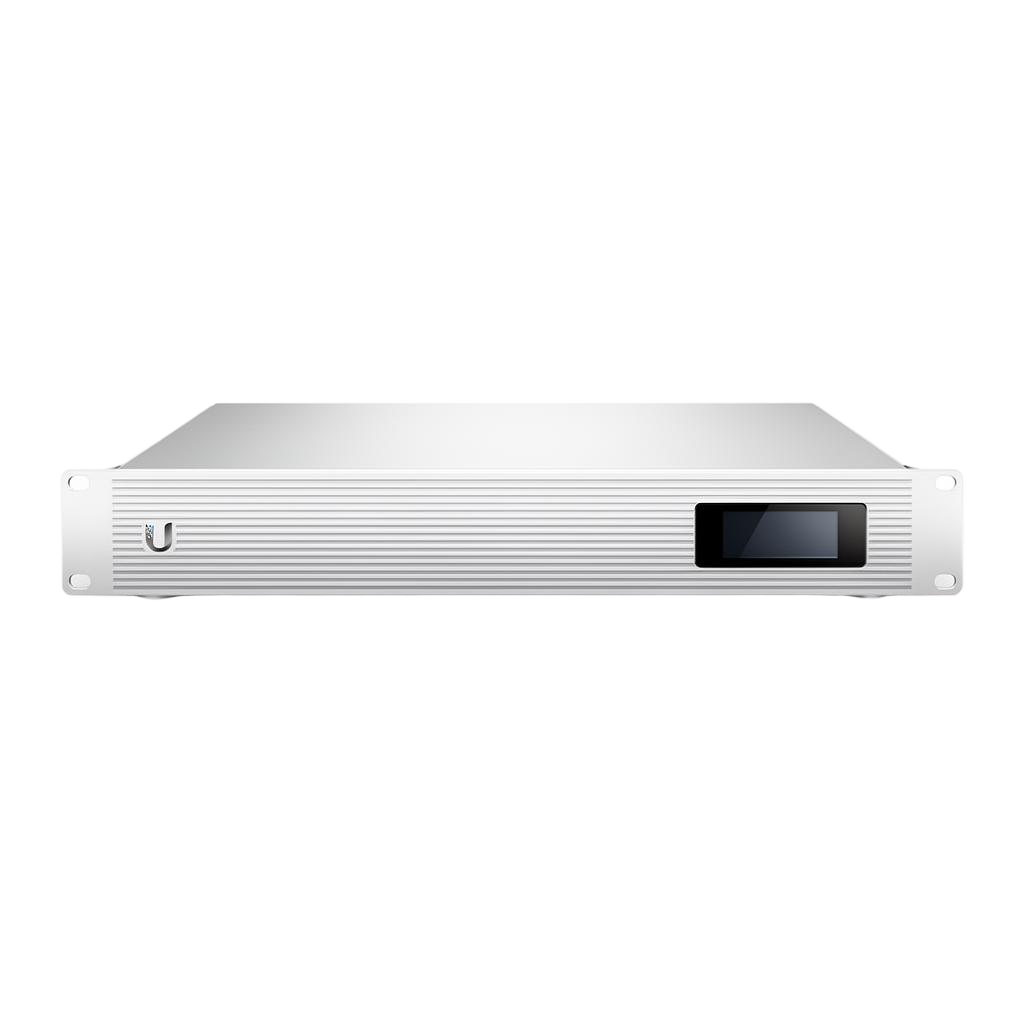
Dream Machine

Dream Machine

Gateway, firewall, VLAN segmentation

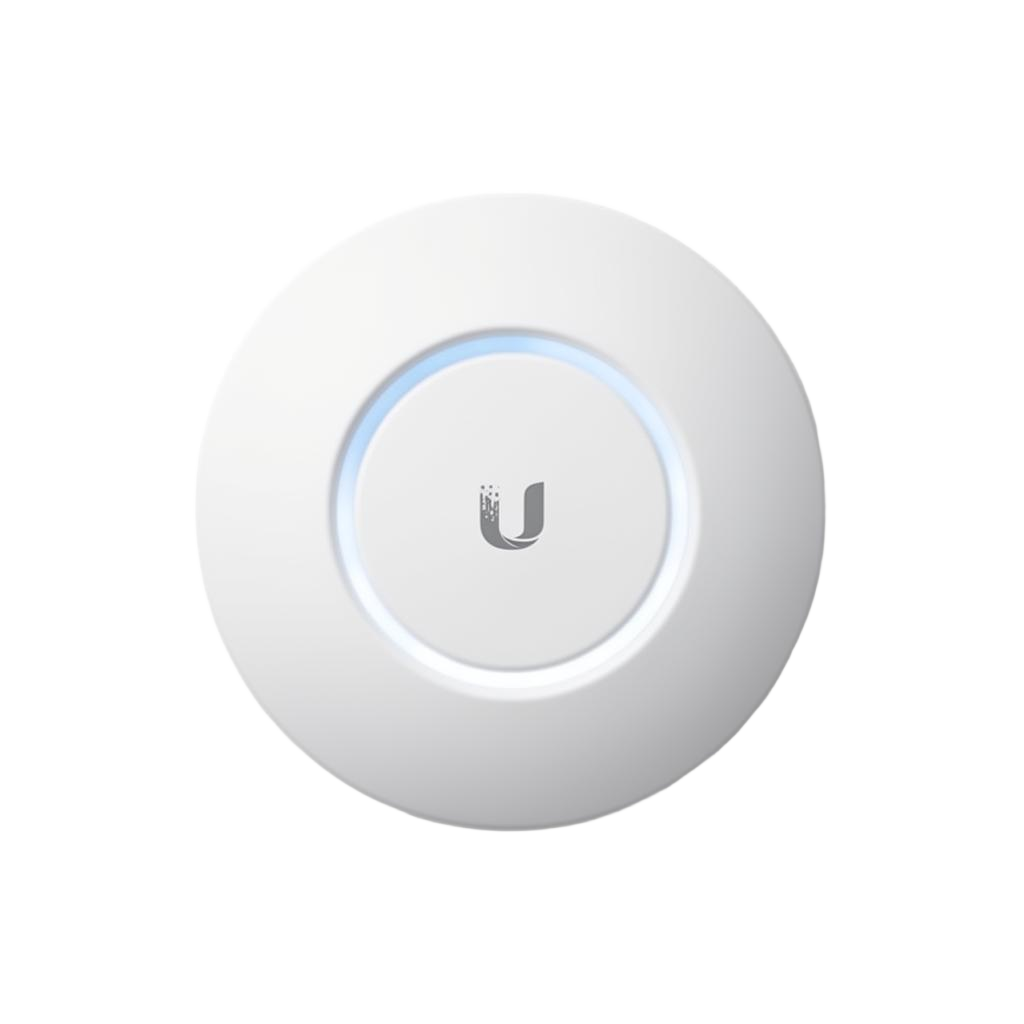
UniFi Access Points

UniFi Access Points

Wi-Fi 7 coverage, no dead zones

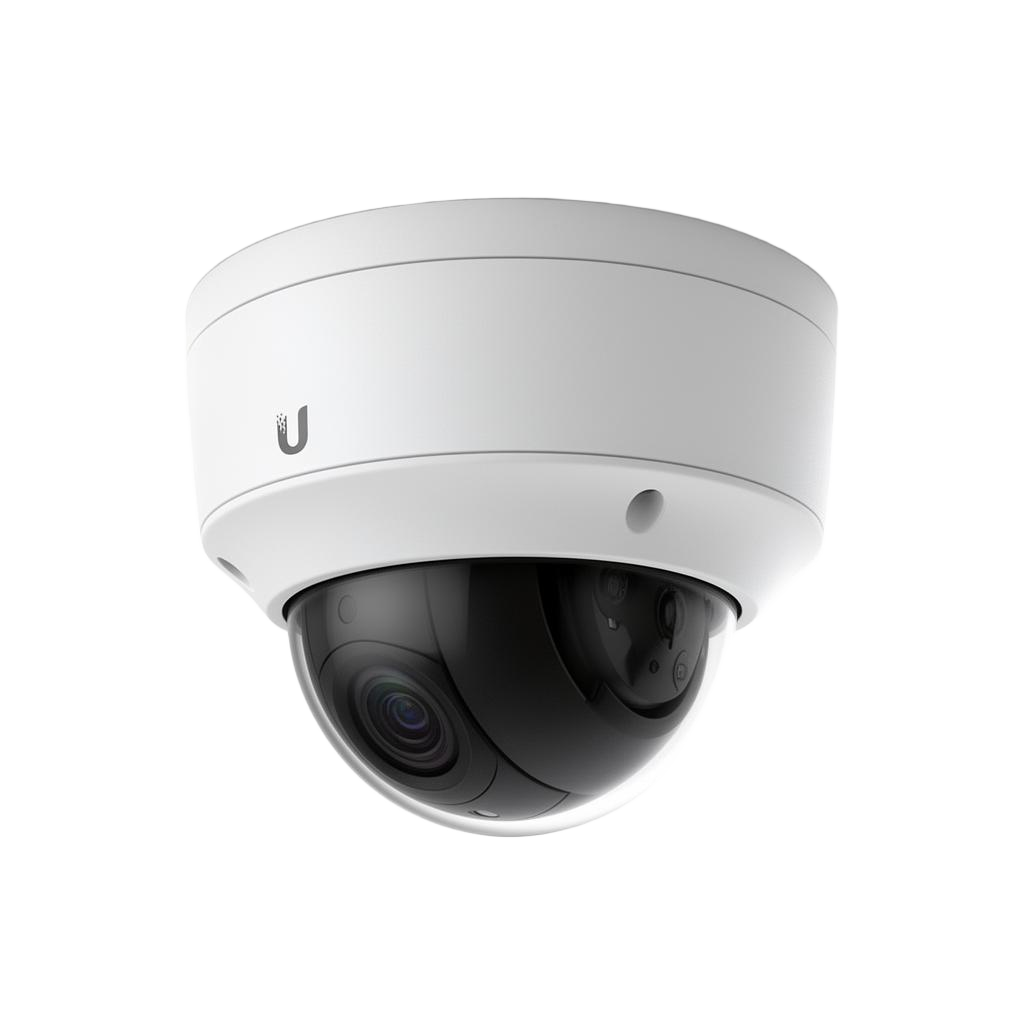
UniFi Protect

UniFi Protect

AI detection, local recording

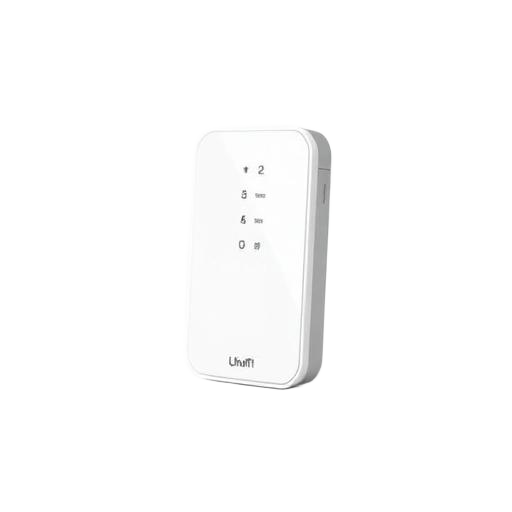
UniFi Access

UniFi Access

Doors, credentials, audit trail

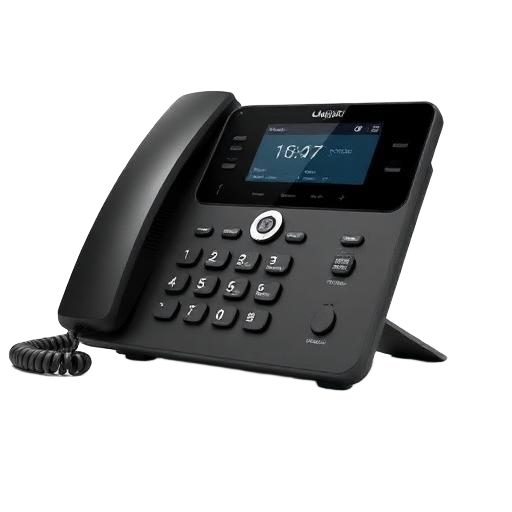
UniFi Talk

UniFi Talk

One phone system, every site

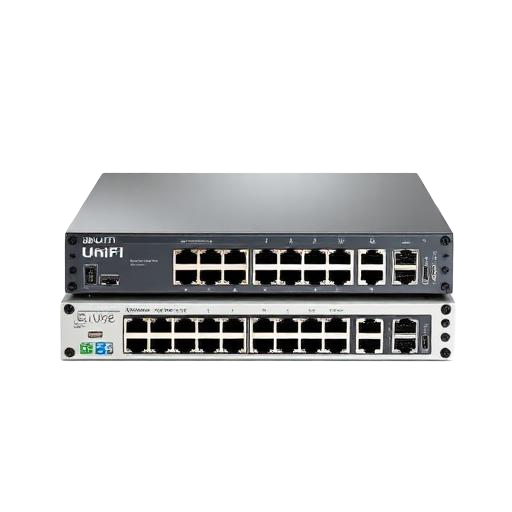
Enterprise Switching

Enterprise Switching

PoE, managed, documented

One console. One vendor. You own all of it.

What You Get

Every Installation Ships With This

A labelled, documented rack

Not a hand-tied tangle in a closet. Organised, cooled, and built so the next person can work on it.

As-built network diagram

Yours to keep. VLANs, IPs, port assignments, and what is plugged into what.

A written retention configuration

What the rule requires, what we set, and how to prove it. The page you hand an inspector.

Credentials handed to you

Admin access to your own system, in writing. No vendor holding the keys.

Managed from day one

Monitoring, firmware, and health checks, so it still works in year three.

A named person who answers

You call the person who built it, not a ticket queue.

Service Area

Serving Southwest Oklahoma

Red River Integration serves OMMA-licensed operators across Oklahoma, including Lawton, Medicine Park, Elgin, Duncan, Altus, Chickasha, and the surrounding communities of Southwest Oklahoma. Larger operations and multi-site licensees served statewide.

Common Questions

Questions We Get Asked

Does OMMA require 90 days of video retention?

No. This is the most repeated false claim in Oklahoma cannabis security. There is no OMMA video retention rule, and there never was one: the words video and camera do not appear in a security context anywhere in the current rules at OAC Title 442, and they did not appear in the revoked OAC 310:681 either. Any vendor quoting "90 days under 310:681" is citing a rule that was revoked when OMMA left the State Department of Health in 2022. The retention number that does bind you is seven years, and it applies to business records, not footage (OAC 442:10-5-6(b)).

Then what does OMMA actually require for security?

One sentence, at OAC 442:10-6-1(a): "appropriate security measures to deter and prevent the unauthorized entrance into areas containing marijuana and the theft and diversion of medical marijuana and medical marijuana products." It is a performance standard with no technology named. The prescriptive rules (alarms, self-closing and self-locking doors, 8-foot fencing on outdoor grows) come from OBNDD at OAC 475:20-1-4, and they reach growers, processors, packagers and manufacturers, not dispensaries, transporters or labs.

So do I need cameras at all?

No rule requires them. You very likely still want them, for reasons we would rather state plainly than dress up as law: you have 24 hours from discovery to report a theft with an inventory (OAC 442:10-5-13), "appropriate security measures" is judged after an incident, diversion is usually an authorized person rather than a broken window, and your insurance carrier may impose retention terms in writing that are contractually real. We size retention as an engineering decision, typically 90 days with headroom, and price it as the choice it is.

Will cloud cameras pass an OMMA inspection?

There is no camera standard to pass, so the question is really about risk rather than compliance. Our concern with cloud is different: cannabis is federally illegal, and footage on a third party's servers is subject to subpoena, breach, and terms you did not write. We record to local hardware you own, with cellular failover for the alarm and Metrc paths that genuinely do need a connection.

How much does a cannabis security system cost in Oklahoma?

It depends on license type (which determines whether OBNDD's rules reach you at all), square footage, restricted zones, and how many buildings are on the license. We scope it before quoting it, and we will tell you which line items are required by rule and which are your call. The scoping session is free and there is no obligation.

Do you install for dispensaries outside Lawton?

Yes. We serve Southwest Oklahoma and travel statewide for licensed operators, including Oklahoma City, Duncan, Altus, Chickasha, and the surrounding communities.

Free Scoping Session

Ready to Talk About Your Facility?

Ask any vendor bidding your project to name the rule and the subsection. If they cite OAC 310:681, they are quoting a revoked rule, and you should wonder what else they have not checked.

Call us at (580) 289-8181 or fill out the form on our contact page. Consultations are confidential and there is no obligation.

Rules change. Citations on this page reflect the OMMA permanent rules effective July 11, 2026 and OBNDD Title 475 as amended August 4, 2024. Nothing here is legal advice: verify current requirements with OMMA, OBNDD, or your attorney before making compliance decisions.

Pick a time below, or call or text (580) 289-8181. Consultations are confidential and there is no obligation.

Pick a time

Real openings from our calendar. 30 minutes, free, no obligation.

Prefer to write it out? Send us the details instead.