
HIPPA Compliance

HIPAA Compliant Security Camera and Access Control Systems for Medical and Dental Practices in Oklahoma and North Texas

HIPAA Compliant Security Camera and Access Control Systems for Medical and Dental Practices in Oklahoma and North Texas

Every independent medical, dental, optometry, and veterinary practice operates under the HIPAA Security Rule — which carries explicit technical safeguards under 45 CFR §164.312 covering access control, audit controls, integrity, transmission security, and authentication. Practices handling controlled substances additionally operate under DEA recordkeeping requirements in 21 CFR §1304. Practices accepting card payments — which is nearly all of them — also fall under PCI DSS 4.0. Texas practices carry an additional layer. The Texas Medical Records Privacy Act, codified in Chapter 181 of the Texas Health and Safety Code and amended by HB 300, imposes privacy requirements that are stricter than HIPAA in several respects — a broader definition of covered entity, faster patient access timelines, and separate state-level penalties up to $1.5 million annually that stack on top of any federal HHS Office for Civil Rights enforcement. A Texas practice that experiences a breach can be liable for two penalties for one event. The penalties are not abstract. HIPAA Tier 4 violations now reach over $2 million per violation under HHS adjusted maximums. An OCR investigation triggered by a single complaint or breach report is months of legal exposure, mandatory patient notifications, and reputation damage that closes practices. The problem isn’t that practices don’t take compliance seriously. The problem is that most practices are sold “HIPAA-compliant” cameras, networking equipment, and access control systems by vendors who have never read 45 CFR §164.312 — much less Chapter 181 of the Texas Health and Safety Code — and cannot tell you which technical safeguards their product actually satisfies. Red River Integration deploys the Ubiquiti UniFi ecosystem — enterprise infrastructure used in hospitals, universities, and critical-care facilities worldwide — engineered specifically for the practice it’s installed in. The exam rooms. The corridors where charts are visible. The medication storage. The front desk. Every system we deliver is designed around HIPAA’s technical safeguards and the additional state-level requirements that apply to Texas practices, documented for audit, and built to hold up the day OCR, the Texas Attorney General’s office, or a state board inspector walks through the door.

What HIPAA and Texas HB 300 Actually Require. What We Build.

Access Control Under 45 CFR §164.312(a)(1)

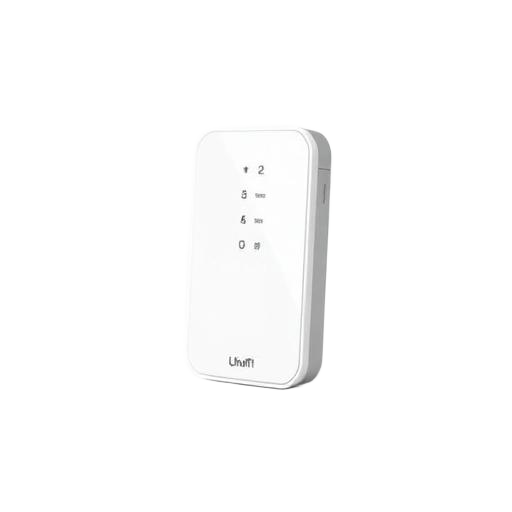
The HIPAA Security Rule requires technical access controls that allow only authorized persons to access electronic protected health information — with unique user identification, automatic logoff, and emergency access procedures. UniFi Access enforces and documents every one of those requirements at the physical layer. Every door to a records area, medication storage room, server closet, or restricted clinical zone is logged with timestamp, credential, and a camera-linked video record. Time-based permissions automatically restrict after-hours access. Credentials are revoked the moment an employee separation is recorded — no key rotation, no lock changes, no gap between termination and access removal. When OCR or the Texas Attorney General asks who entered your records storage room on a specific date, you produce the answer in seconds — with timestamps, credentials, and camera-verified video — from the same platform managing your network and surveillance.
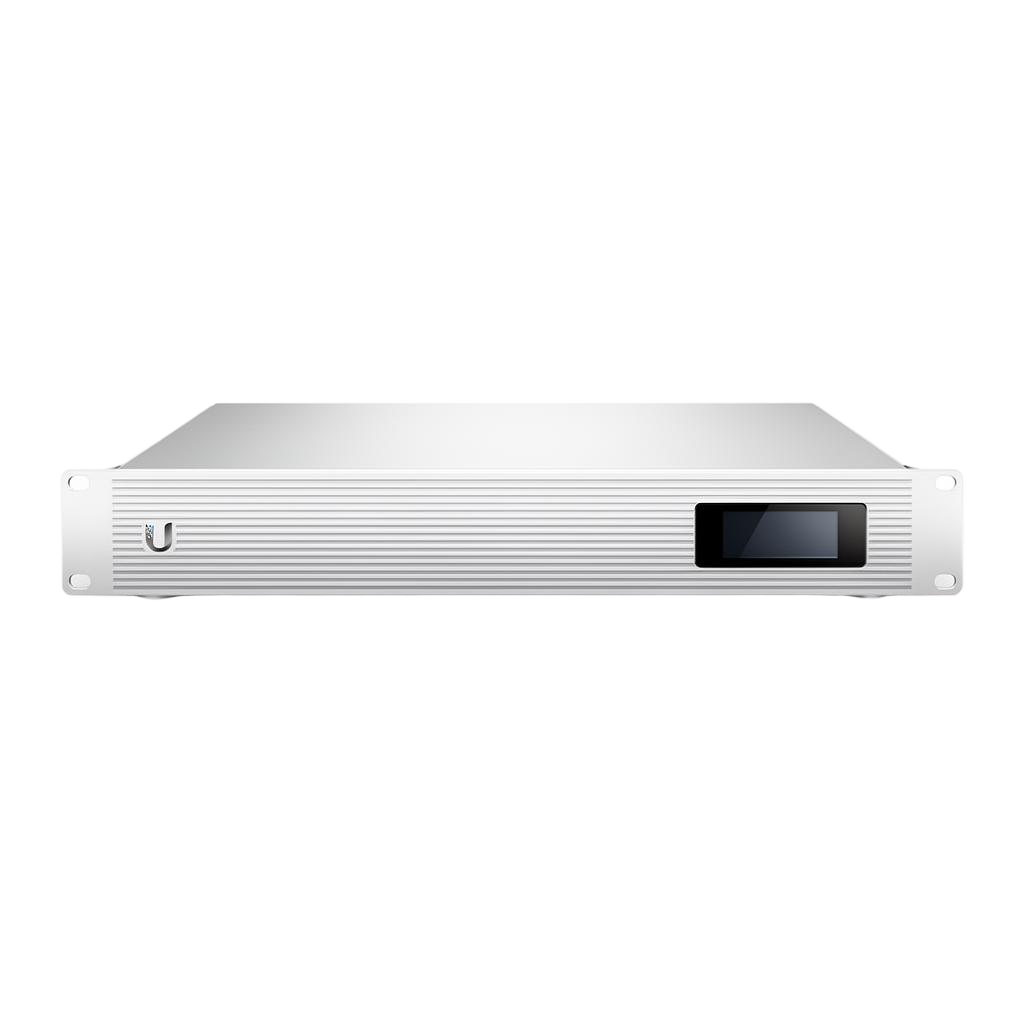
Audit Controls Under 45 CFR §164.312(b)

The Security Rule requires hardware, software, and procedural mechanisms that record and examine activity in systems containing electronic protected health information. UniFi’s centralized management console produces a complete, exportable audit trail of every access event, every administrator action, every configuration change, and every camera event across the entire infrastructure. When an audit demands evidence of who did what, when, and on which system, you produce it from a single console rather than reconciling logs across four separate vendors.

The Cloud Camera Problem Most Practices Don’t Know They Have

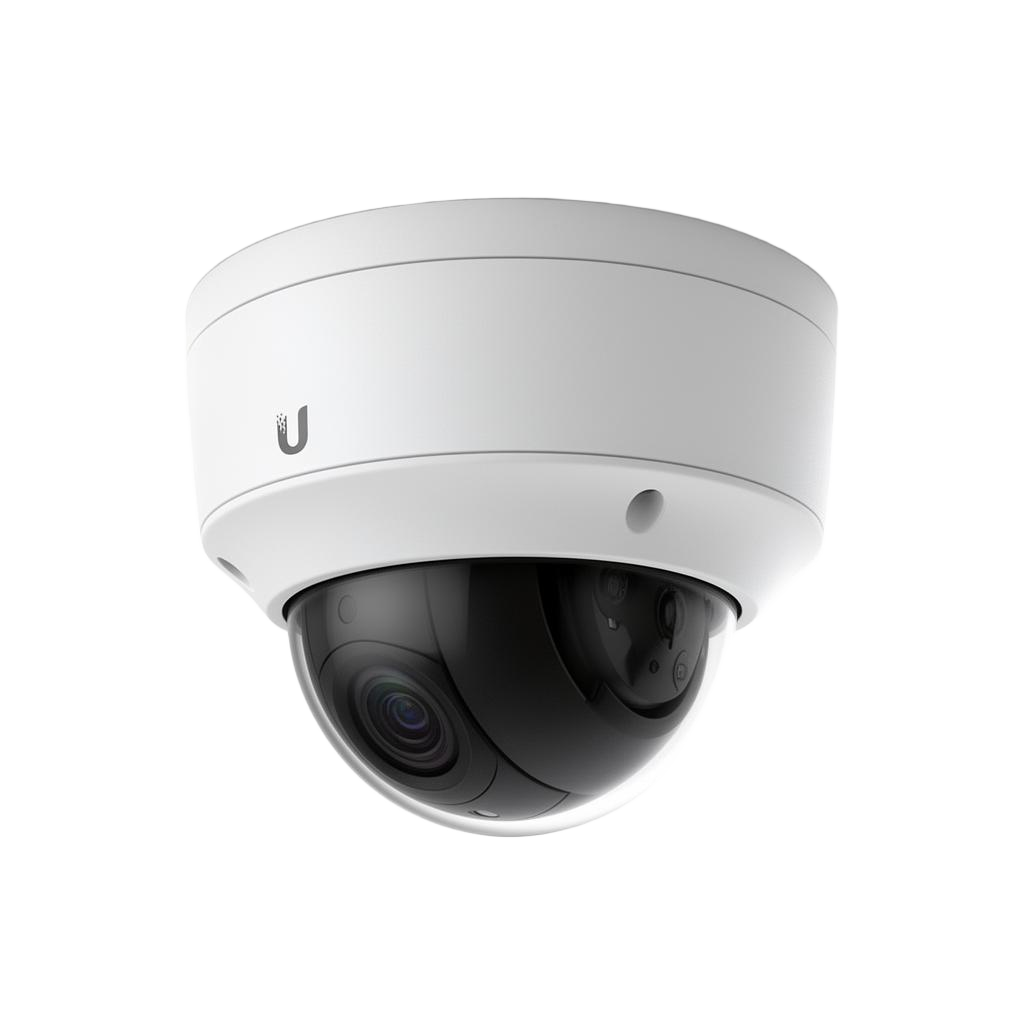
Most cloud-based camera and access control vendors do not sign a Business Associate Agreement. A camera in an exam room corridor that captures a patient’s face, a chart visible at a workstation, a prescription label, or a patient name on a sign-in sheet is capturing PHI-adjacent imagery. If that footage is stored on a third-party cloud server without a BAA — which is the default for nearly every consumer-grade and prosumer-grade surveillance product on the market — the practice is, technically, transmitting PHI to a third party with no compliant agreement in place. For Texas practices, the exposure is amplified. Chapter 181 defines “covered entity” more broadly than HIPAA — extending to virtually any organization that assembles, collects, analyzes, uses, evaluates, stores, or transmits PHI of a Texas resident. Your cloud camera vendor is almost certainly a covered entity under Texas law whether they know it or not, and your practice is responsible for the relationship. No practice has ever audited themselves on this. OCR has. The Texas Attorney General has. Every system Red River Integration deploys records and stores locally. Footage lives on Network Video Recorder hardware you own, inside your practice, on a network segment isolated from your EHR and your business network. No third-party cloud. No vendor servers. No BAA gap because there is no third party in the loop.

Transmission Security Under 45 CFR §164.312(e)(1)

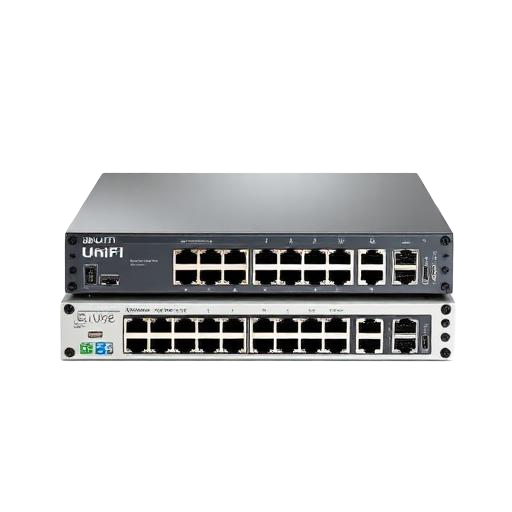
The Security Rule requires technical security measures to guard against unauthorized access to electronic protected health information transmitted over electronic networks. UniFi enterprise networking provides the foundation — managed switches, enterprise-grade routers, professionally configured wireless coverage — with proper VLAN segmentation that isolates clinical workstations, EHR traffic, surveillance, access control, guest Wi-Fi, and back-office systems from each other. Network segmentation is the single most overlooked technical safeguard in independent practice IT. A flat network — where every device sees every other device — means a compromised guest device, a compromised IoT thermostat, or a compromised front desk PC can reach your EHR. Proper segmentation eliminates that path entirely.

DEA Recordkeeping for Controlled Substance Handling

Practices handling Schedule II–V substances under 21 CFR §1304 carry an additional surveillance and access documentation burden. UniFi Protect delivers continuous video coverage of medication storage, dispensing areas, and administration zones — recorded continuously to local NVR hardware regardless of internet status — with retention configured to meet or exceed state board and DEA inspection expectations. UniFi Access logs every entry to medication storage with credential and camera-linked timestamp, producing the documented audit trail that satisfies DEA inspectors and state pharmacy boards in both Oklahoma and Texas. For veterinary practices, medspas, dermatology clinics, surgery centers, and any practice with on-site Schedule II–V handling, this is not optional infrastructure. It’s the documentation that protects the license.

PCI DSS 4.0 for Practices Accepting Card Payments

Every practice running card payments at the front desk falls under PCI DSS 4.0 — which now requires network segmentation between the cardholder data environment and the rest of the practice network. UniFi makes that segmentation straightforward to implement and document. Card terminals on an isolated VLAN. Clinical systems on another. Guest Wi-Fi on a third. The annual self-assessment becomes a documentable exercise rather than a guess.

Cellular Failover for Uninterrupted Access and Alerts

UniFi Protect records continuously to local NVR hardware on your network regardless of internet status — that footage is captured and retained on infrastructure inside your practice, not dependent on a cloud connection. What an internet outage does compromise is everything that depends on a working connection: cloud-hosted EHR access, e-prescribing and PMP submission, point-of-sale and insurance claim adjudication, real-time alert delivery to the practice administrator, and the management plane for surveillance and access control. UniFi 5G Max provides automatic dual-SIM cellular failover — the moment your primary connection drops, the system fails over without manual intervention and your EHR access, e-prescribing, claim submission, and management capabilities stay online without interruption. For practices in rural service areas across Southwest Oklahoma and North Texas where wired internet reliability is inconsistent, 5G Max can also serve as the primary connection — the difference between treating today’s patients and rescheduling them.

Why Local Infrastructure Matters for Practices Specifically

Cloud-based surveillance and access control systems present a uniquely poor fit for healthcare. Your operational data — who entered your medication room, what your cameras recorded in your treatment areas, who accessed your records storage — is stored on servers owned and operated by a third party, in jurisdictions you don’t control, accessible to parties beyond your practice under terms of service you accepted without legal review. For a practice operating under HIPAA — and, in Texas, under Chapter 181 — where the privacy of every patient interaction is both a regulatory and ethical obligation, that architecture is exactly the wrong choice. Every system Red River Integration deploys records and stores locally. Your footage stays on hardware you own, in your practice, accessible only by personnel you authorize. Your access logs stay on systems you control. No third party holds your operational records. When OCR, the Texas Attorney General, or a state board investigator requests footage, you produce it from your own storage on your own timeline.

Built for Your Practice Type

  • Independent Primary Care, Specialty, and Dental Practices — Practices with one to ten providers are too small for hospital IT and too large for consumer-grade equipment. We design infrastructure that fits the floor plan, segments the network properly, secures every restricted area, and produces the audit trail HIPAA and Texas Chapter 181 actually require — without the overhead of an enterprise IT department.
  • Veterinary Practices — Schedule II–V handling under DEA recordkeeping, surgical suites, controlled medication storage, and high-volume client traffic create a unique infrastructure profile. We design surveillance and access control systems that satisfy DEA inspection expectations alongside Oklahoma and Texas state veterinary board standards.
  • Medspa, Dermatology, and Aesthetics Clinics — Practices with on-site controlled substance handling, high-value inventory, and patient privacy expectations that exceed standard medical practice need infrastructure designed for the operation. We deliver it.
  • Outpatient Surgery Centers — Higher stakes, smaller IT teams than hospitals, and a compliance burden that combines HIPAA, Texas HB 300, DEA, state surgical center licensing, and accrediting body requirements. We build systems engineered for the specific operating environment.

Every Installation Is Engineered for That Practice. Not Adapted From a Template.

We don’t offer a standard healthcare package. We assess your practice type, your facility layout, the state you operate in, your specific compliance obligations, and the technical safeguards your current infrastructure is or isn’t satisfying — and we engineer a system that meets every requirement, documents every event, and holds up under inspection. Built on the Ubiquiti UniFi ecosystem — enterprise infrastructure with a 20+ year track record, deployed in hospitals, universities, and critical care facilities worldwide — installed and configured by a team that understands the difference between equipment a vendor calls “HIPAA-compliant” and a system that actually satisfies the technical safeguards in 45 CFR §164.312 and the additional protections in Chapter 181 of the Texas Health and Safety Code.

Serving Southwest Oklahoma and North Texas

Red River Integration serves independent medical, dental, veterinary, and specialty practices across Southwest Oklahoma — including Lawton, Duncan, Altus, Chickasha, and the surrounding communities — and across North Texas, including Wichita Falls and the surrounding communities.

Ready to Talk About Your Practice?

Your patients trust you with their most sensitive information. Your infrastructure should be built to deserve that trust. Call us at (580) 289-8181 or fill out the form on our contact page. Consultations are confidential and there’s no obligation.