Oklahoma Tribal Gaming
Surveillance, Access Control, and Network Infrastructure for Oklahoma Tribal Gaming Properties
Tribal gaming in Oklahoma operates under a regulatory framework distinct from any other industry in the state — built on the Indian Gaming Regulatory Act, tribal-state gaming compacts, the National Indian Gaming Commission‘s Minimum Internal Control Standards at 25 CFR Part 543, and the independent oversight of each nation’s tribal gaming commission. The standards are rigorous by design, and the surveillance, access control, and audit trail requirements are written into compact obligations and tribal regulatory codes that the gaming industry itself helped shape.
Most of those requirements are well-understood at the destination resort level, where dedicated surveillance departments, in-house IT staffs, and established national vendor relationships handle large-scale operations. The picture looks different at smaller satellite properties — travel plaza casinos, gaming centers, and community-scale gaming operations where the same MICS floor applies, the same compact obligations attach, and the same tribal gaming commission expects the same documentation, but where a captive surveillance department or a national integration vendor on retainer is neither economically warranted nor operationally realistic.
That gap — where regulatory obligations remain at full strength but vendor support thins out — is where Red River Integration works.
What Smaller Properties Actually Need
A smaller satellite property and a destination resort have different operational scales but similar regulatory floors per square foot of gaming space. The MICS standards apply. The compact obligations apply. The tribal gaming commission still expects documented surveillance coverage of every gaming position, every cash-handling area, every restricted access point, and every transition between back-of-house and gaming floor. Footage retention obligations, access logging, and audit trail requirements are not scaled down because the property is smaller.
What is different is the support model. A satellite property cannot justify a 24/7 in-house surveillance technology team. A national integration vendor servicing that property is dispatching a technician hours away, charging for travel time, and prioritizing the larger accounts ahead of the smaller ones. Maintenance windows stretch. Failed cameras stay failed. Compact-mandated coverage gets soft.
That is a compliance problem, an operations problem, and a tribal sovereignty problem — because the property’s regulatory standing depends on documentation a vendor on retainer in another state cannot reliably produce.
Regional Responsiveness
Red River Integration is based in Lawton and services tribal gaming properties across the southern half of Oklahoma. Same-day or next-day response to gaming properties across southern Oklahoma is not a service tier upgrade — it is the baseline. A failed camera on a satellite property’s gaming floor is a same-day or next-day repair, not a Tuesday-next-week ticket.
Customer-Owned Infrastructure That Stays Under Tribal Control
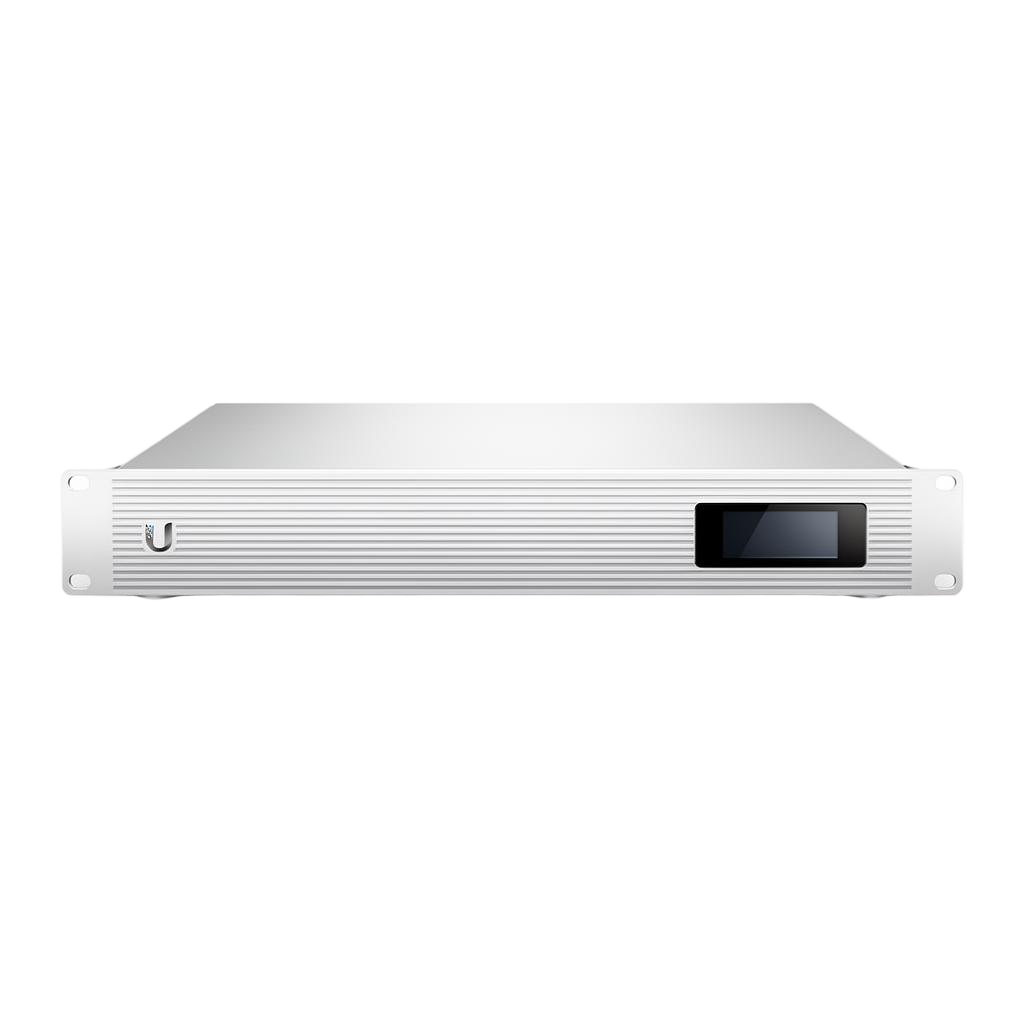
Every system we deploy is owned by the tribe. Footage records locally to tribal-controlled hardware on tribal-owned infrastructure. Access to surveillance, network management, and audit logs stays inside the tribal organization — not routed through a vendor cloud, a manufacturer’s portal, or a national vendor’s data center. UniFi Protect and UniFi Access are deployed on hardware the tribe owns and controls — your footage, your logs, your data. That posture aligns with how tribal gaming commissions expect surveillance and audit infrastructure to be handled, and it preserves the tribe’s sovereignty over its own gaming operations data.
MICS-Aligned Surveillance Design
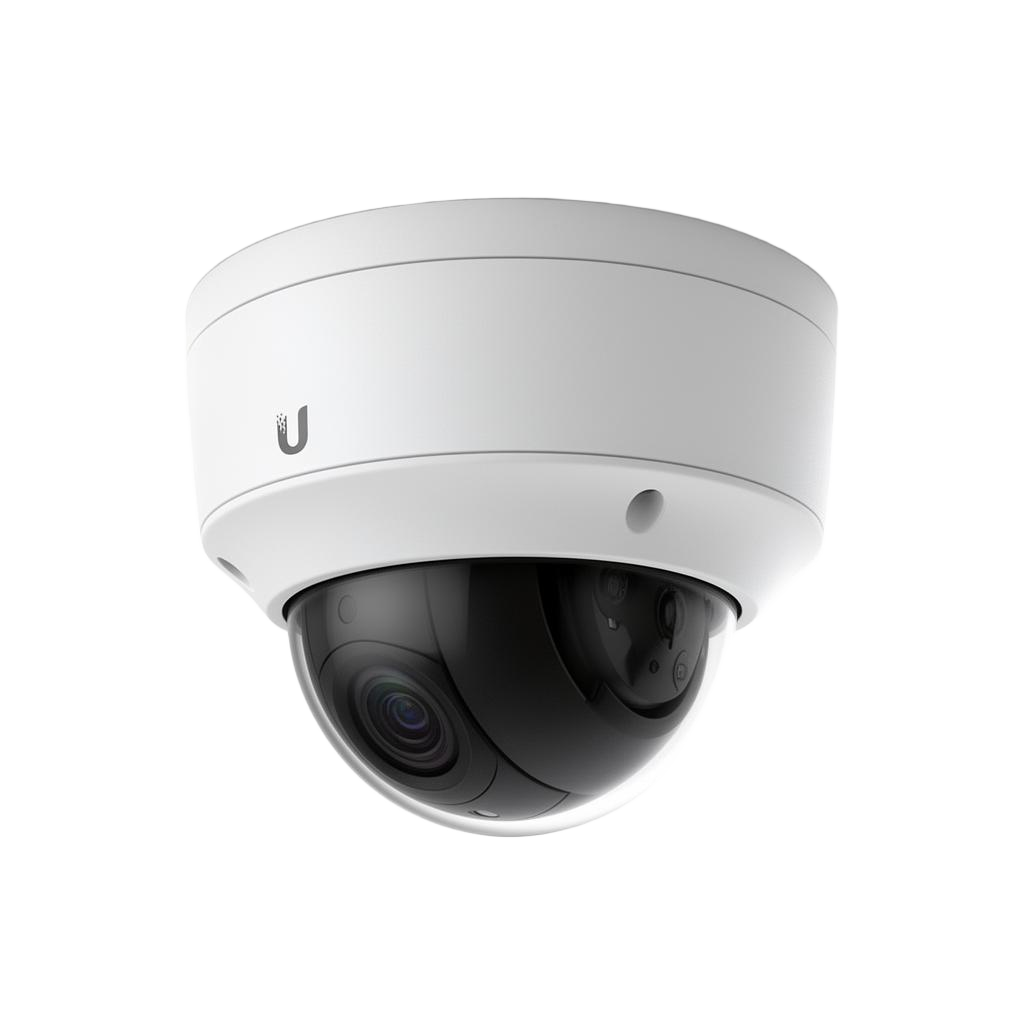
We design surveillance coverage around the actual requirements of NIGC Minimum Internal Control Standards at 25 CFR Part 543 and the tribal gaming commission’s specific expectations: gaming floor coverage, cage and vault coverage, count room coverage, soft and hard count area coverage, drop and pickup route coverage, restricted access point coverage, and the transitions between zones that audit reviews routinely scrutinize. Camera selection, placement, resolution, frame rate, and retention configuration are engineered against the standards, not adapted from a generic commercial template.
Access Control and Audit Trail Built for Compliance Review
Restricted access to the cage, the count room, the surveillance room itself, the vault, and the back-of-house gaming floor entries all require documented, role-based access control with reviewable audit logs. UniFi Access logs every entry to every restricted area with timestamp, credential, and camera-linked video record. Time-based permissions automatically restrict access outside authorized hours. Lost or compromised credentials are revoked from the management console in seconds — no rekeying, no lock changes, no exposure window.
When a tribal gaming commission audit, an NIGC compliance review, or a state compact compliance inquiry asks who entered the count room at a specific time, you produce the answer with credential, timestamp, and video — from one platform, in seconds.
Network Architecture That Respects the Gaming Floor
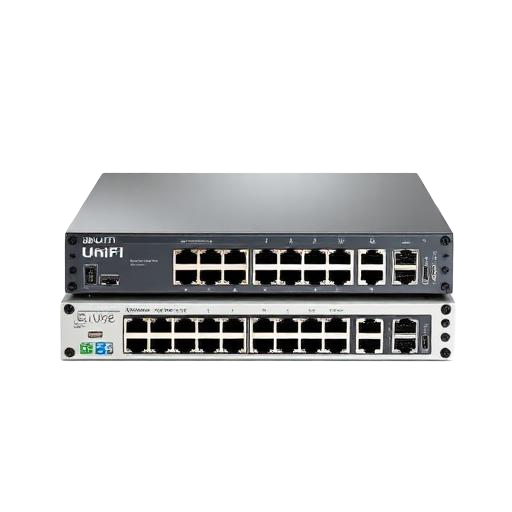
Gaming floor networking, surveillance networking, back-of-house operations networking, and guest-facing networking should not share infrastructure. Ubiquiti UniFi enterprise networking — the same enterprise platform deployed in hospitals, universities, government facilities, and Fortune 500 corporate environments worldwide — provides segmented network architecture that isolates each function, supports the audit and access requirements specific to gaming operations, and gives tribal IT leadership the visibility and control the regulatory environment demands.
Cellular Failover for Uninterrupted Access and Alerts
UniFi Protect records continuously to local NVR hardware on your network regardless of internet status — that footage is captured and retained on infrastructure inside your property, not dependent on a cloud connection. What an internet outage does compromise is everything that depends on a working connection: remote access for tribal gaming commission staff and IT leadership, real-time alert delivery, offsite redundancy, and the management plane for surveillance and access control. UniFi 5G Max provides automatic dual-SIM cellular failover — the moment your primary connection drops, the system fails over without manual intervention and your remote access, alerting, and management capabilities stay online without interruption. For properties in rural locations across southern Oklahoma, where wired service can be inconsistent, 5G Max can also serve as the primary connection, delivering enterprise-grade throughput where wired infrastructure cannot.
How We Engage With Tribal Properties
We work in coordination with tribal gaming commissions, tribal IT and facilities leadership, and tribal surveillance departments — not around them. Every engagement begins with understanding the specific tribal regulatory framework, the property’s existing compliance posture, the gaming commission’s documentation expectations, and the tribal organization’s preferred vendor and procurement relationships.
We understand that tribal sovereignty governs how disputes, contracts, data ownership, and vendor relationships are structured, and we work within that framework. We are comfortable with tribal procurement processes, tribal preference policies where they apply, and the contracting structures tribal legal departments expect from outside vendors. The relationship is between the tribe and Red River Integration as an integration partner — not a transaction with a commercial customer.
Built for the Properties That Don’t Get the Attention
Destination resorts have national vendor relationships, captive IT departments, and dedicated surveillance staff. Smaller satellite properties — travel plaza casinos, community gaming centers, and the regional properties that anchor a tribal gaming portfolio across southern Oklahoma — carry the same regulatory floor without the same support structure. That gap should not translate into compliance risk, deferred maintenance, or vendor relationships that cost more in travel charges than they deliver in service.
Red River Integration was built to work in exactly that space — regional, responsive, technically sophisticated, and structured to support the sovereignty and operational priorities of the tribal nations we serve.
Serving Southern Oklahoma
Red River Integration serves tribal gaming properties across southern Oklahoma — including Comanche, Stephens, Jackson, Grady, Caddo, Kiowa, Carter, Love, Marshall, Murray, Garvin, McClain, Bryan, Atoka, Coal, Pittsburg, Pontotoc, and Johnston counties — covering Lawton, Medicine Park, Elgin, Duncan, Altus, Chickasha, Anadarko, Ardmore, Sulphur, Tishomingo, Ada, Pauls Valley, Durant, McAlester, and the surrounding communities.
Ready to Talk About Your Property?
Whether you are evaluating a new property build, upgrading existing surveillance and network infrastructure, or looking for an integration partner who can actually show up when something needs attention, we welcome the conversation.
Call us at (580) 289-8181 or fill out the form on our contact page. Consultations are confidential and there’s no obligation.