Self Storage Surveillance & Access Control

Surveillance, Access Control, and Lien Documentation Infrastructure for Oklahoma and North Texas Self-Storage Facilities

Surveillance, Access Control, and Lien Documentation Infrastructure for Oklahoma and North Texas Self-Storage Facilities

Self-storage is one of the only retail real estate categories where the operator is rarely on the property. Tenants come and go on their own schedule. Doors open and close. Vehicles enter and leave the gate. Climate-controlled buildings get accessed at 2 AM. The facility runs unattended for most of its operating hours, which means the surveillance and access control system is not the security supplement — it is the operational system. It is how you know what happened, who did it, and when.

The compliance burden on self-storage is different from most regulated industries. There is no FTC, no DEA, no state board of pharmacy. What there is, instead, is a stack of three different oversight relationships that all turn on the same evidence — surveillance footage and access logs.

The first is the lien process itself. In Oklahoma, the Self-Service Storage Facility Lien Act under 42 O.S. §§ 191 through 197.1 — most recently amended by HB 2390 effective November 1, 2025 — defines exactly how an operator may enforce a lien against a delinquent tenant, with mandatory 30-day default periods, written notice requirements, advertisement timelines, and 15-day post-publication waiting periods before sale. In Texas, Chapter 59 of the Texas Property Code governs the same process, with notice content and delivery requirements under §59.043, sale notice publication requirements under §59.044, and the option of a contractual landlord’s lien under §59.041(b) that bypasses judicial foreclosure if the rental agreement is properly drafted. Both states impose strict procedural requirements, and both states allow the tenant to redeem the property before sale by paying the lien amount.

The second oversight relationship is the insurance carrier. Most commercial property and general liability carriers writing self-storage policies impose surveillance retention windows, perimeter coverage requirements, and access logging expectations as conditions of coverage. Operators who cannot produce footage when a claim is filed face denied claims, reduced settlements, premium increases, and sometimes non-renewal. Operators who cannot produce access logs face the same exposure on theft, vandalism, and personal-injury claims.

The third is the plaintiff’s bar — and in Texas, this is the relationship that costs operators the most. Texas Property Code §59.005 explicitly provides that a person injured by a Chapter 59 violation may sue for damages under the Deceptive Trade Practices Act. DTPA actions carry treble damages and attorney’s fees. A botched lien sale that turned out to involve someone’s irreplaceable family heirlooms, a missed military-status verification under §59.010, or a documented procedural failure during the seizure-and-sale process can become a six-figure claim before the operator finishes the morning facility walk. Documentation is what survives the discovery process. Documentation is what closes the claim or settles it favorably.

Most independent self-storage operators we walk through are running consumer-grade DVR systems with thirty days of retention, a gate code system that does not log entries, and no integration between the two. That is a single-stack defense against three separate compliance burdens, and it is also the operational reason most independent self-storage facilities are losing money to shrink, after-hours move-outs, and vandalism that the cameras did not capture.

Red River Integration deploys the Ubiquiti UniFi ecosystem — enterprise infrastructure used in commercial facilities worldwide — engineered specifically for the self-storage operation. The gate. The drive lanes. Each climate-controlled building entry. The exterior unit doors. The office. The auction prep area. The dump zone. Every system we install is designed to satisfy the lien-process documentation expectations of both states, the surveillance and access logging requirements of insurance carriers, and the operational evidence needs of unattended facility management — from a single integrated platform you control.


What Self-Storage Compliance Actually Requires. What We Build.

Continuous Surveillance Across the Entire Property

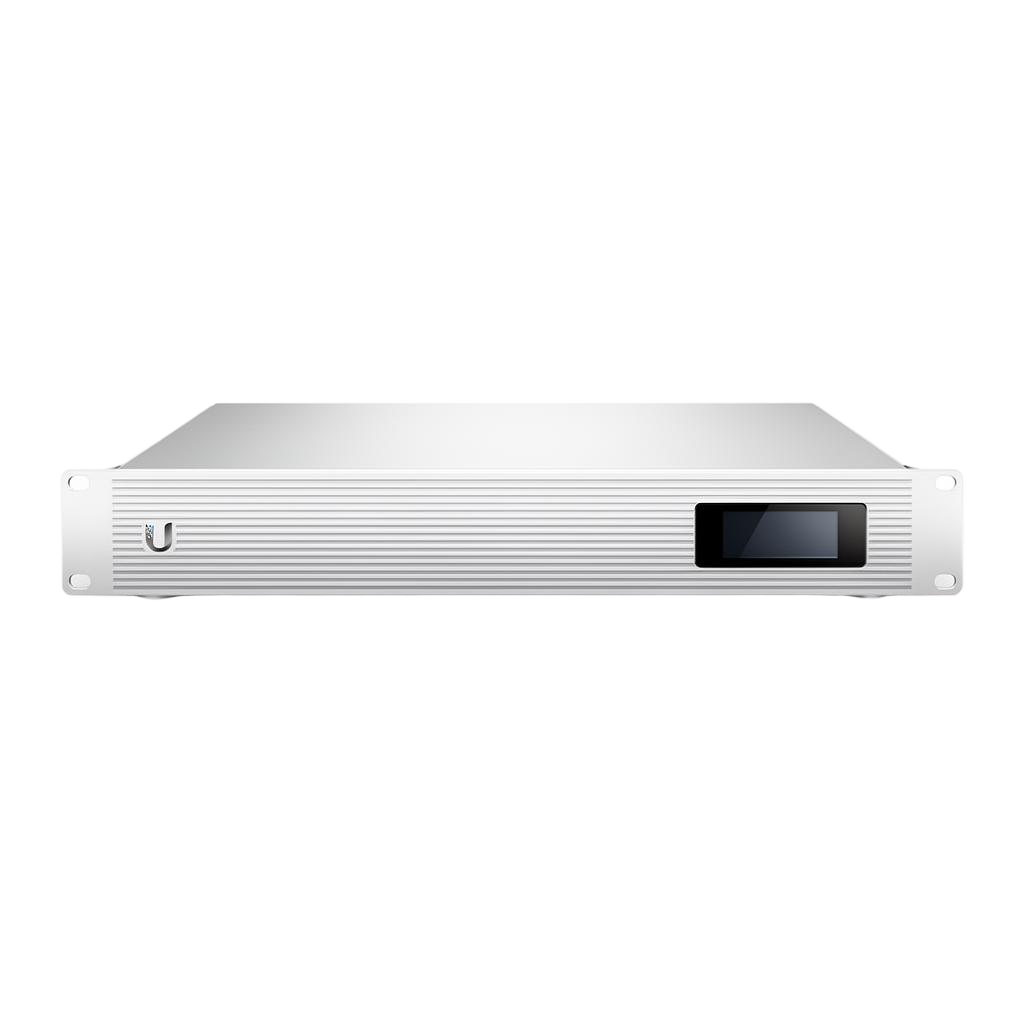
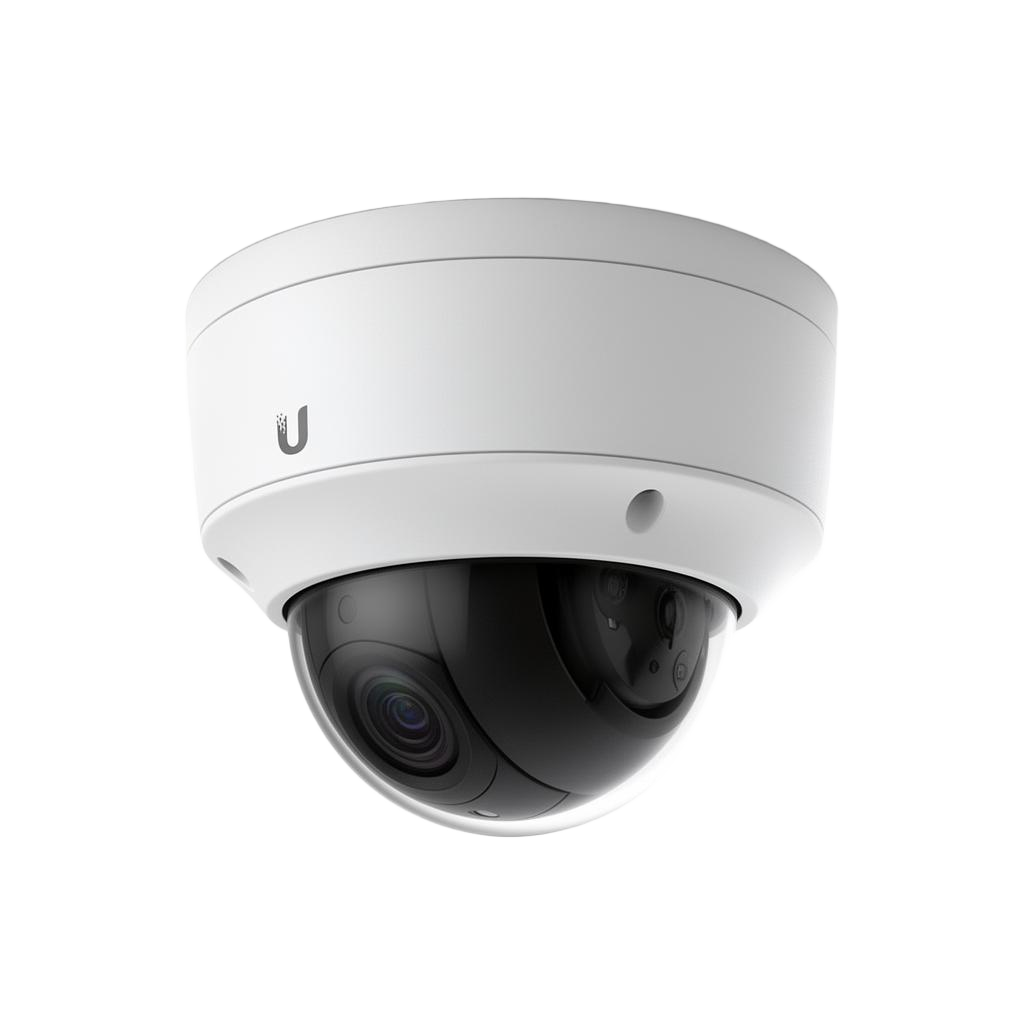
Self-storage facilities require coverage patterns most retail security integrators do not understand. The gate is one camera. The drive lanes are another set. The exterior of every unit door, every climate-controlled building entry, the auction prep area, the dump zone, the office, the customer parking, and the perimeter fence all need coverage. UniFi Protect delivers commercial-grade camera coverage across the entire property with AI-based detection that identifies people and vehicles, license plate recognition that logs every vehicle entering and leaving the gate, and continuous recording that does not depend on internet connectivity or a cloud subscription staying current.

All footage records to local Network Video Recorder hardware inside the office, accessible only by personnel you authorize. No cloud subscription. No third-party servers. No vendor that can lock you out of footage the day you need it most.


License Plate Recognition for Every Gate Event

License plate recognition is operationally transformative for self-storage in a way it is not for most retail businesses. Every vehicle entering and leaving the gate is logged with timestamp and plate number. When a unit is broken into and the cut-padlock is discovered three days later, you know every vehicle that entered the property in the relevant window. When an auction unit is identified for cut-and-sale, you have the access history of the original tenant. When a tenant claims they never received a notice mailed to their last-known address, you have video of every vehicle they used to access their unit during the default period.

UniFi Protect AI Key with license plate recognition makes this information searchable. You do not scrub through hours of footage — you query by plate, by date, by camera, and produce the answer in seconds.


Gate Access Control Integrated with Surveillance

Most independent storage facilities run an old gate code system that opens the gate when a tenant types four digits. The system tracks nothing. It does not know whether the person typing the code is the tenant or someone the tenant gave the code to. It does not produce a record. UniFi Access integrates gate access control with the surveillance system — every entry event is logged with credential, timestamp, and a camera-linked video record showing exactly who came through the gate and what vehicle they drove.

Time-based permissions automatically restrict access outside operating hours. When a tenant goes into default, the credential is revoked from the management console in seconds — no rekeying, no overriding the gate code, no exposure window. When a tenant is auctioned and a winning bidder needs access, you issue a time-limited credential that expires automatically when the seizure-and-sale window closes.


Retention That Survives the Lien Process Timeline

The Oklahoma lien process under 42 O.S. § 197 mandates a 30-day default period before enforcement, a written notice period, an advertisement publication period, and a 15-day post-publication waiting period — meaning the time between an event being recorded and the time it might be referenced in a lien dispute can easily exceed 60 to 90 days. The Texas process under Chapter 59 imposes its own structure: a 14-day cure window after notice delivery under §59.043, sale notice published once in each of two consecutive weeks under §59.044, and the sale itself thereafter. Insurance claims and DTPA actions can reference events months or years in the past.

UniFi Protect is configured with retention windows sized for actual operational exposure — typically 90 to 180 days, longer where carrier requirements or operational risk profile warrant it. Footage is organized and searchable by date, time, camera, and event. When a tenant disputes a lien sale, an insurance carrier requests evidence, or a plaintiff’s attorney serves a subpoena, you produce the footage from your own storage on your timeline.


After-Hours Break-In Defense and Cut-Lock Detection

Self-storage facilities are a high-value target for break-ins because they are unattended, the inventory is varied and untracked, and the operator typically does not discover a cut lock for days or weeks. UniFi Protect integrates motion detection, perimeter sensing, and after-hours alerting with the surveillance system. After-hours triggers transmit alerts with embedded video to the on-call manager or directly to ownership. Police arrive with footage already captured. Insurance claims are filed with documented evidence in hand.

For facilities with cut-prevention sensors on individual units — increasingly common at higher-end facilities — UniFi integration ties the sensor trigger directly to the camera covering that unit, producing immediate video evidence of the moment a lock was cut.


Multi-Building and Multi-Site Facility Coverage

Self-storage facilities frequently span multiple buildings — climate-controlled buildings, drive-up rows, RV and boat storage areas, vehicle parking, secondary covered structures. Larger operators may run multiple facilities under common ownership. Ubiquiti airMAX point-to-point wireless bridges connect every building on a property into a single unified network, and UniFi management software centralizes camera, access, and alarm management across multiple facilities into a single dashboard. One pane of glass. Every building. Every facility. Every gate. All of it managed from one place.


Network Infrastructure for Office Operations and Tenant Wi-Fi

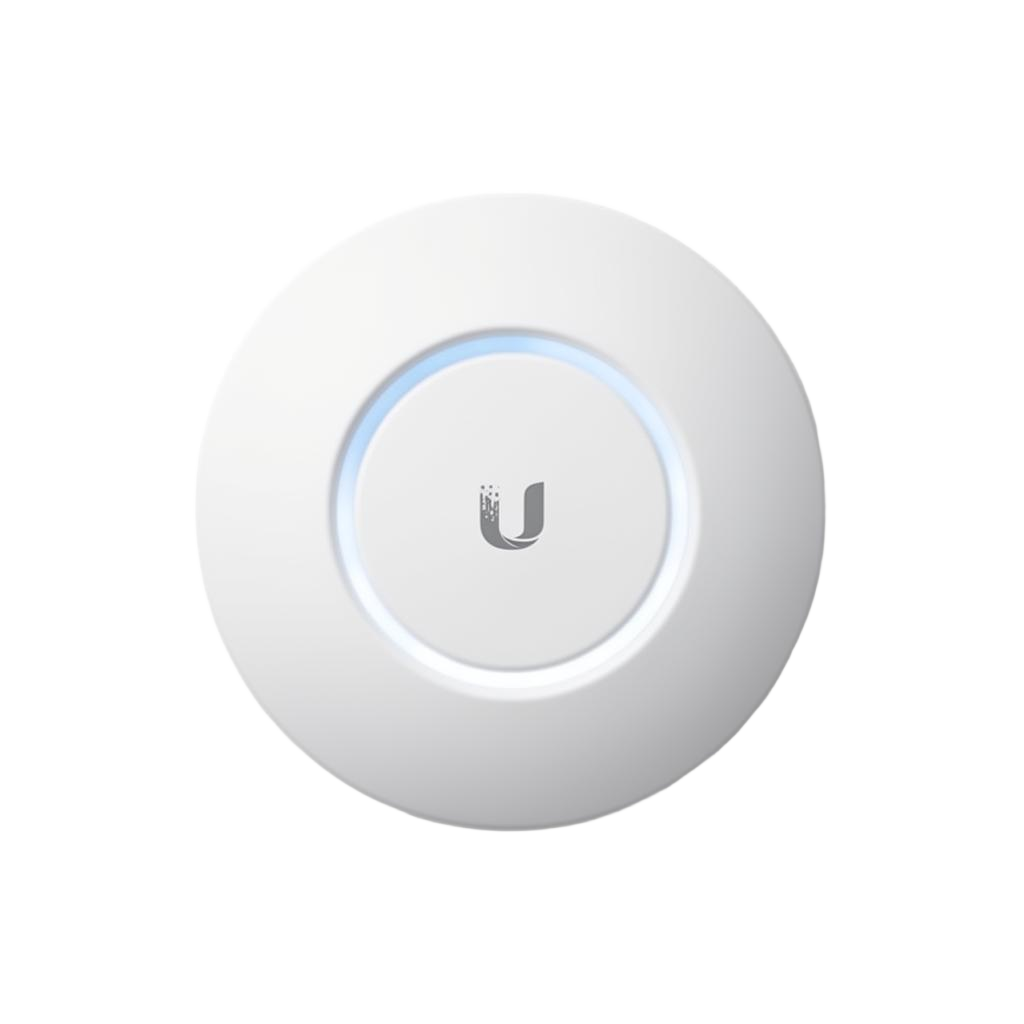
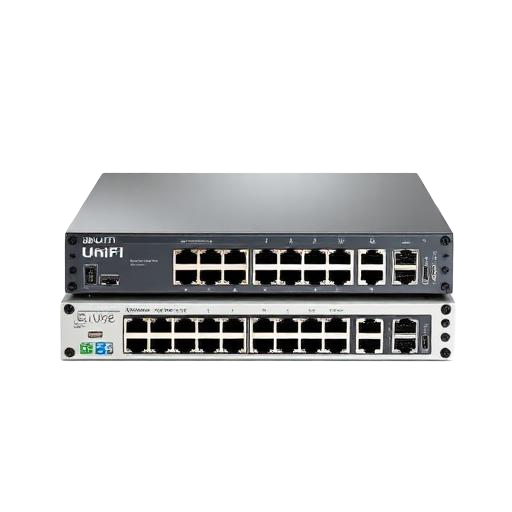
UniFi enterprise networking provides the foundation — managed switches, enterprise routers, and professionally deployed wireless coverage across the office, the drive lanes if needed, and any tenant-facing Wi-Fi areas. Network segmentation isolates the surveillance and access control system from the office point-of-sale, the tenant Wi-Fi, the digital signage, and any management software the operator uses. PCI DSS 4.0 segmentation requirements apply to facilities running card payments at the office, and proper VLAN architecture makes the annual self-assessment a documentable exercise.


Cellular Failover for Continuous Coverage

A surveillance and access control system that stops working when the internet drops creates the exact gap an after-hours break-in or a contested lien sale will turn on. UniFi 5G Max provides automatic dual-SIM cellular failover — the moment your primary connection drops, the system fails over without manual intervention and without a gap in recording or alerting. For facilities in rural locations across Southwest Oklahoma and North Texas where wired internet reliability is inconsistent, 5G Max can serve as the primary connection.


Why Local, Private Infrastructure Matters Specifically for Self-Storage

Cloud-based surveillance vendors create a specific problem for self-storage operators: the moment a tenant files a DTPA action in Texas, an insurance dispute in Oklahoma, or a small-claims case anywhere, the vendor’s cooperation timeline becomes your evidence timeline. Vendors do not respond to subpoenas overnight. Vendors charge for footage retrieval. Vendors get acquired and sunsetted, leaving operators unable to access their own historical footage when an old claim resurfaces.

Every system Red River Integration deploys records and stores locally. Footage stays on hardware you own, inside the facility, accessible only by personnel you authorize. Access logs stay on systems you control. When a tenant disputes a lien sale, an insurance carrier requests evidence, or a plaintiff’s attorney serves a subpoena, you produce the footage from your own storage — and only in response to that proper legal basis.


Built for Your Facility Type

  • Independent Single-Site Operators — Independent self-storage operators running one or two facilities face the same lien process, the same carrier requirements, and the same DTPA exposure as the national chains, without the corporate IT department to support the infrastructure. We design surveillance and access control systems engineered for the specific facility footprint, with documentation and configuration that satisfies the carrier and the regulators without enterprise overhead.
  • Multi-Site Independent Operators — Operators running three or more facilities benefit from centralized management — same camera platform, same access control system, same audit logs, same configuration standards across every property — managed from one dashboard. We design infrastructure that scales with the operation, with the same install pattern repeatable across every new property added.
  • Climate-Controlled and Boutique Storage — Higher-end facilities serving wine collectors, vehicle collectors, document storage, and high-value personal property require correspondingly higher infrastructure standards. The customers expect it, the carriers price it, and the after-hours threat profile justifies it. We design for that expectation.
  • RV, Boat, and Vehicle Storage Yards — Outdoor and covered vehicle storage facilities face a different threat profile — fence-line exposure, drive-through theft attempts, and the documentation needs of titled vehicles. License plate recognition, perimeter surveillance, and gate integration become operationally critical rather than nice-to-have.
  • Mixed-Use Facilities (Storage Plus Office or Retail) — Facilities combining self-storage with mailbox rentals, parcel handling, document shredding, or small-format office and retail tenants face a layered infrastructure challenge — segmenting tenant networks, managing office access separately from storage tenant access, and coordinating surveillance across distinct operational zones. We design infrastructure that handles all of it from a single platform.

Every Installation Is Engineered for That Facility. Not Adapted From a Template.

We don’t sell a standard self-storage package. We assess your facility footprint, your tenant access patterns, your insurance carrier requirements, your lien process timeline expectations, and the gaps in your current infrastructure — and we engineer a system that satisfies the carrier, documents the lien process, defends against after-hours theft, and produces the operational evidence trail that protects margin and license risk shift after shift.

Built on the Ubiquiti UniFi ecosystem — enterprise infrastructure deployed in commercial facilities worldwide — installed and configured by a team that understands the difference between a camera system bolted onto a gate and an integrated infrastructure that actually documents what happened on the property.


Serving Southwest Oklahoma and North Texas

Red River Integration serves independent and multi-site self-storage operators across Southwest Oklahoma — including Lawton, Duncan, Altus, Chickasha, Anadarko, Ardmore, and the surrounding counties — and across North Texas, including Wichita Falls and the surrounding communities.


Ready to Talk About Your Facility?

Your insurance posture, your lien process documentation, and the irreplaceable evidence of who entered your property and when are too valuable to trust to consumer-grade equipment and a cloud you don’t control.

Call us at (580) 289-8181 or fill out the form on our contact page. Consultations are confidential and there’s no obligation.