ATF Compliant Surveillance and Access Control Infrastructure for Federal Firearms Licensees in Oklahoma and North Texas
Every federal firearms licensee — in Oklahoma, North Texas, and across the country — operates under
ATF compliance. The recordkeeping requirements of
27 CFR §478, bound book maintenance, complete
Acquisition and Disposition records, multiple-handgun-sale reporting, and the
48-hour theft and loss reporting window mandated by
27 CFR §478.39a apply to every dealer, manufacturer, and pawnbroker holding an FFL. ATF Industry Operations Investigations are
routine, frequently unannounced, and increasingly aggressive under the post-2024 enforcement posture.
The stakes are direct.
Lost or revoked FFLs end the business. A single citation for a willful violation can trigger a full bound book audit that consumes weeks of operations and exposes every prior recordkeeping gap. The “zero tolerance” enforcement era has elevated surveillance retention, after-hours access documentation, and timely theft reporting from operational nice-to-haves to
survival concerns.
Most FFL dealers we walk through — whether in Lawton, Wichita Falls, or anywhere else in our service area — are running consumer-grade DVR systems they bought ten years ago. Systems with no documented retention. No audit trail. No integration with access control. No path to producing footage on the timeline an investigator expects. The cameras are there.
The compliance posture is not.
Red River Integration deploys the
Ubiquiti UniFi ecosystem — enterprise infrastructure used in critical commercial and industrial facilities worldwide — engineered specifically for the licensed firearms operation. The retail floor. The bound book area. The vault and after-hours storage. Every restricted zone. Every system we install is designed around 27 CFR §478, documented for inspection, and built to hold up under the scrutiny of an Industry Operations Investigation — whether it comes from the
ATF Dallas Field Division, which covers both North Texas and the entire State of Oklahoma through its
Oklahoma City and Tulsa field offices.

What 27 CFR §478 Actually Requires. What We Build.
Continuous Surveillance of Every Sales, Storage, and Restricted Area
ATF guidance and industry best practice expect continuous video coverage of every area where firearms are received, stored, displayed, transferred, or repaired — sales floors, vaults, gunsmithing benches, bound book and 4473 storage areas, loading docks, customer entry and exit points, and parking lots.
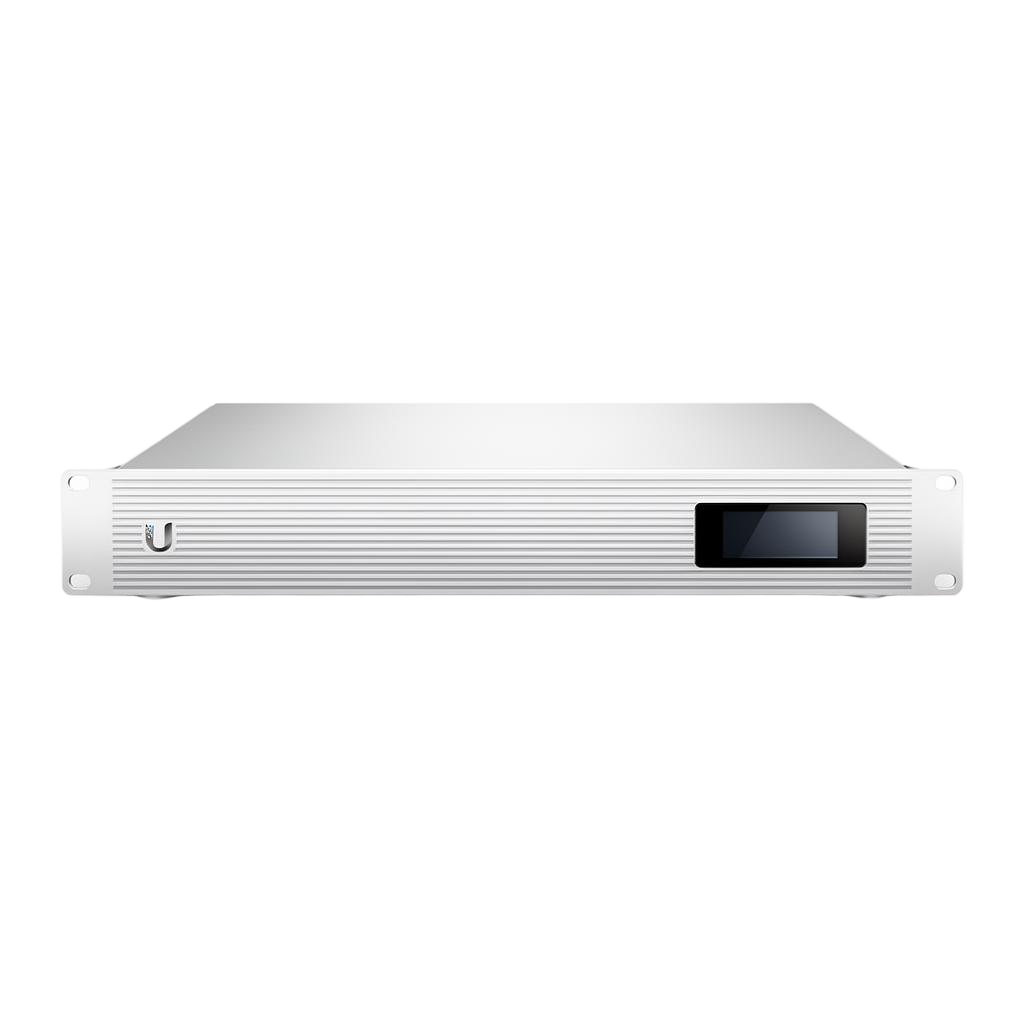
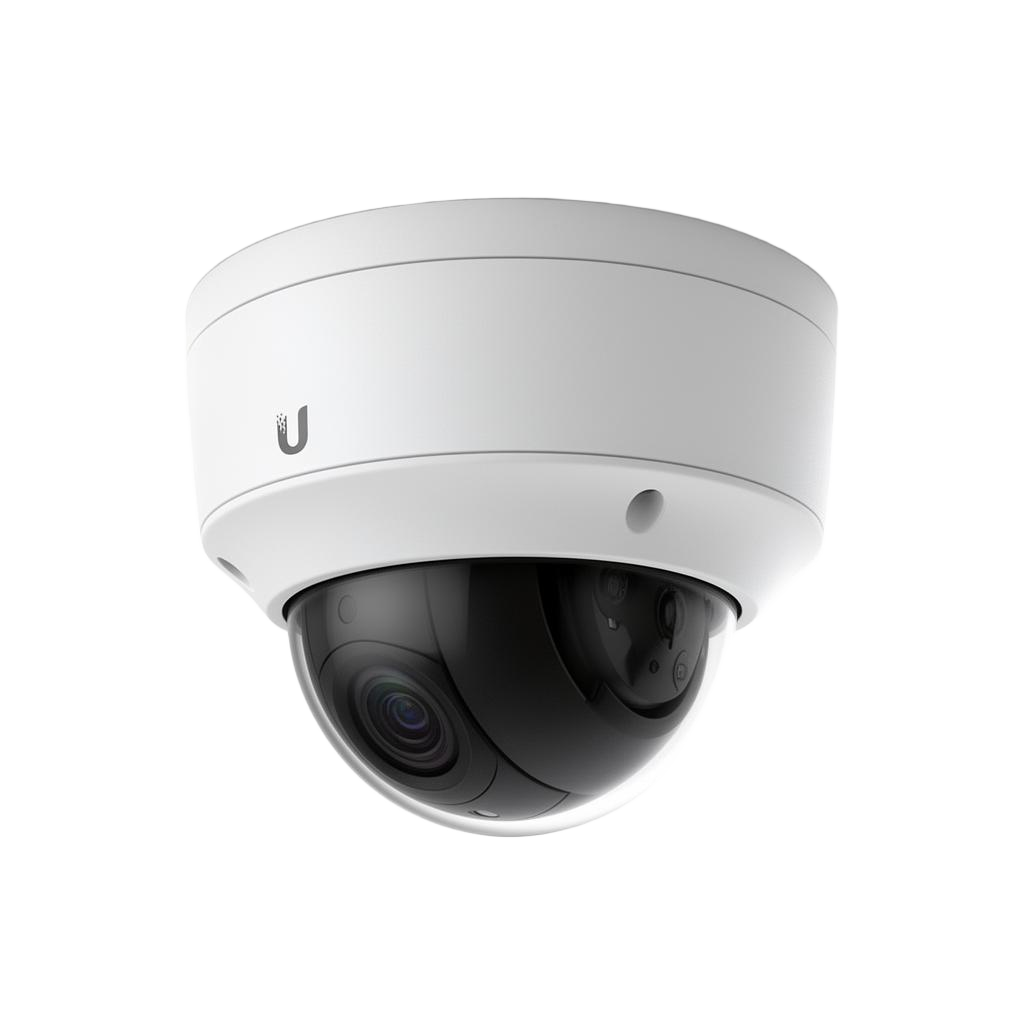
UniFi Protect delivers commercial-grade camera coverage across every required zone, with artificial intelligence detection that identifies people and vehicles, license plate recognition for delivery and customer logging, and continuous recording to local NVR hardware
regardless of internet status — the cameras keep recording whether the internet is up or down.
All footage records to storage hardware
you own, inside your facility. No cloud subscription. No third-party servers. No vendor that can lock you out of your own evidence the day you need it most.
Retention That Survives the Investigation Timeline
ATF investigations frequently reference incidents that occurred weeks or months before the inspection — a trace request that comes back on a firearm you transferred sixty days ago, a theft you reported and now need to produce footage of, a customer interaction that becomes relevant after the fact. UniFi Protect retains footage on local Network Video Recorder hardware sized for your camera count and retention requirements —
typically 90 to 180 days, longer when the operation requires it.
Footage is organized and searchable by date, time, camera, and event. When ATF requests recordings of a specific transaction, customer, or after-hours period, you produce them from your own storage in minutes — not days, not weeks, not “we’ll have to call the cloud company.”
After-Hours Access Documentation and the 48-Hour Theft Reporting Window
The
48-hour theft and loss reporting window under 27 CFR §478.39a — implementing the statutory reporting duty in 18 U.S.C. §923(g)(6) — is unforgiving.
Discovery of the theft is the trigger — not the moment you reconstruct what happened. Without an integrated surveillance and access control system, “discovery” can mean hours or days of inventory reconciliation before you even know what’s missing.
UniFi Access logs every entry to your premises and every entry to restricted areas — vaults, bound book storage, after-hours operations — with timestamp, credential, and camera-linked video record. An after-hours alert is an alert
with footage attached, not a question. Time-based permissions automatically lock out credentials outside authorized hours. Lost or compromised credentials are revoked from the management console in seconds — no rekeying, no lock changes, no exposure window.
When ATF asks who was in your bound book area at 2 AM on a Tuesday, you produce the answer with credential, timestamp, and video — from one platform, in seconds.
Bound Book and 4473 Storage Area Protection
Paper records under
27 CFR §478.124 and
§478.125 — your 4473s, your bound book, your A&D records — are physical documents that must be protected, retained, and produced on demand. Restricted access control on the room or area where these records are stored, camera coverage of every entry and exit, and a documented audit trail of every access event creates the evidence trail that
satisfies an inspector and protects you from any allegation of records tampering or unauthorized access.
Network Infrastructure That Keeps Compliance Systems Running
Surveillance and access control depend on a properly engineered network — both for day-to-day operations and for the remote access, alerting, and management capabilities that ownership and authorized personnel rely on.
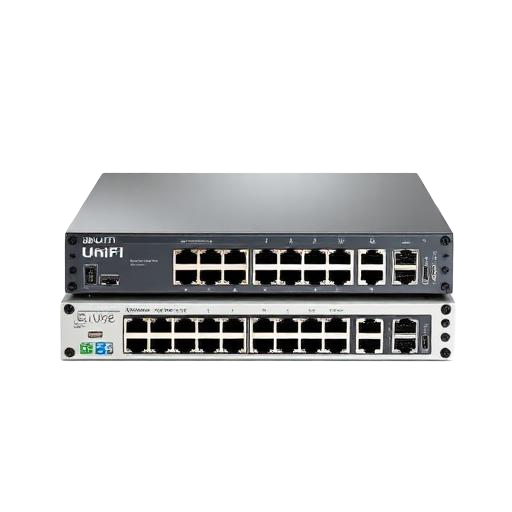
Ubiquiti UniFi enterprise networking provides the backbone your compliance infrastructure runs on — managed switches, enterprise routers, and professionally deployed wireless coverage across every area of your facility, with network segmentation that isolates surveillance and access control from your point-of-sale, your back-office systems, and any guest network.
Segmentation matters specifically for FFLs. A compromised customer-facing terminal or a guest device
cannot reach your surveillance system, your access control records, or any system holding your bound book digital backups.
Cellular Failover for Uninterrupted Access and Alerts
UniFi Protect records continuously to local NVR hardware on your network
regardless of internet status — that footage is captured and retained on infrastructure inside your facility, not dependent on a cloud connection. What an internet outage
does compromise is everything that depends on a working connection: remote access for ownership, real-time alert delivery to ownership and central station monitoring, point-of-sale credit card authorization, NICS background check submission, and the management plane for surveillance and access control.
UniFi 5G Max provides automatic dual-SIM cellular failover — the moment your primary connection drops, the system fails over without manual intervention and your remote access, alerting, point-of-sale, NICS submission, and management capabilities
stay online without interruption. For dealers in rural locations across Southwest Oklahoma and North Texas where wired service can be inconsistent, 5G Max can also serve as the primary connection, delivering enterprise-grade throughput where wired infrastructure cannot.
Why Local, Private Infrastructure Matters for Federal Firearms Licensees
Cloud-based surveillance and access control vendors present a specific problem for FFLs: your operational data — every customer interaction, every transfer, every access event in restricted areas, every minute of footage of your retail operation — is stored on servers owned and operated by a third party, accessible to parties beyond your operation under terms you accepted without negotiation.
For a federally licensed business operating under regular ATF inspection, where the privacy of customer interactions and transfer records is both a competitive concern and a regulatory one, that architecture is
exactly the wrong choice.
Every system Red River Integration deploys records and stores locally.
Your footage stays on hardware you own, in your facility, accessible only by personnel you authorize. Your access logs stay on systems you control. No third party holds your transfer records, your customer footage, or your access logs. When ATF or law enforcement requests footage with a proper legal basis, you produce it from your own storage on your own systems — and only in response to that legal basis.
Built for Your License Type
- Type 01 Dealers in Firearms — Independent gun stores, sporting goods retailers, and outdoor outfitters with retail FFL operations. We design surveillance, access control, and recordkeeping infrastructure that satisfies ATF inspection expectations across the sales floor, transfer area, and restricted records storage.
- Type 07 Manufacturers — Manufacturing FFLs face a more complex compliance posture — production records, serialization documentation, ITAR considerations for certain components, and the same surveillance and access requirements as a dealer. We design infrastructure that handles all of it.
- Type 09 Dealers in Destructive Devices and Type 10 Manufacturers of Destructive Devices — Higher scrutiny, stricter access documentation expectations, and the absolute requirement of an unbroken audit trail. We engineer for that environment.
- Pawnshops with FFL Operations — Pawnshops carry both an FFL compliance burden and a state-level pawnbroker compliance burden — Oklahoma’s Pawnshop Act under Title 59 O.S. §§ 1501–1515, administered by the Oklahoma Department of Consumer Credit, and Texas’s Pawnshop Act under Chapter 371 of the Texas Finance Code, administered by the Office of Consumer Credit Commissioner — with two separate inspection regimes referencing the same surveillance footage. We design systems that satisfy all of them simultaneously.
- Indoor Ranges with Retail Operations — Range operations layer customer safety documentation, insurance carrier surveillance requirements, and the standard FFL compliance posture into a single infrastructure design. We deliver systems engineered for the combined operation.
Every Installation Is Engineered for That License. Not Adapted From a Template.
We don’t sell a standard FFL package. We assess your license type, your facility layout, your inspection history, and the gaps in your current infrastructure — and we engineer a system that meets ATF expectations, documents every event, and produces the evidence trail an Industry Operations Investigation will demand.
Built on the
Ubiquiti UniFi ecosystem — enterprise infrastructure deployed in critical commercial facilities worldwide — installed and configured by a team that understands what a “willful violation” finding actually means and how to build infrastructure that does not produce one.
Serving Southwest Oklahoma and North Texas
Red River Integration serves federal firearms licensees across Southwest Oklahoma — including Lawton, Duncan, Altus, Chickasha, Anadarko, and the surrounding counties — and across North Texas, including Wichita Falls and the surrounding communities.
Ready to Talk About Your Operation?
Your license is the business. Don’t trust it to consumer-grade equipment and a cloud provider you’ve never met.
Call us at
(580) 289-8181 or fill out the form on our
contact page. Consultations are confidential and there’s no obligation.